Most “eco-friendly” cleaners are greenwashed scams—filled with vague labels, hidden synthetics, and zero transparency. You’re scrubbing your countertops, but inhaling toxins that linger long after the sponge dries. Here’s a better way: real, kitchen-pantry-based cleaning that actually works—and doesn’t cost a fortune.
Why Store-Bought “Green” Cleaners Keep Failing You
Brands slap “natural” on bottles like confetti at a parade—meaningless and everywhere. Independent lab tests repeatedly find undisclosed surfactants, synthetic fragrances, and preservatives even in products labeled “plant-based.” And don’t get me started on plastic refill pouches masquerading as sustainable—they’re often non-recyclable multi-layer nightmares.
The truth? If it’s not transparent about every single ingredient—and why each one is there—it’s not green. It’s marketing.
green home natural tip eco friendly: A Practical Step-by-Step System That Actually Cleans
Forget complicated recipes. This system uses three staples you likely already own: white vinegar, baking soda, and castile soap. But—and this is critical—you must use them strategically. Vinegar alone won’t cut grease. Baking soda isn’t a disinfectant. The magic is in the sequence, not the ingredients.
All-Purpose Spray (For Countertops, Glass, Appliances)
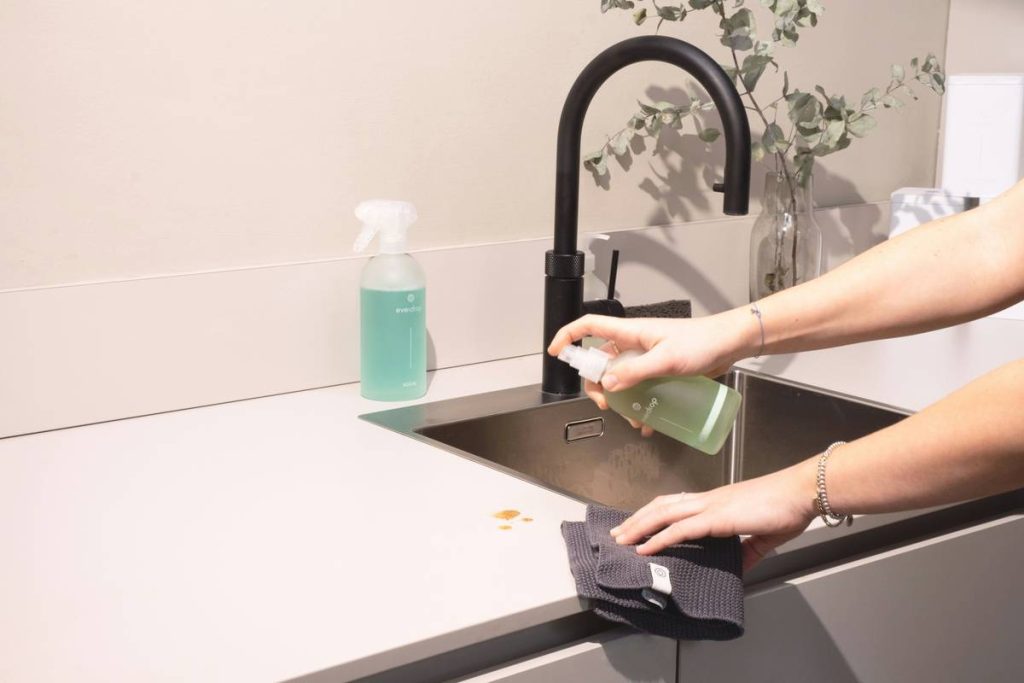
Mix 1 cup distilled water, 1 cup white vinegar, and 10 drops of citrus essential oil (optional for scent and added degreasing). Shake. Spray. Wipe. Done. No residue. No fumes.
Scouring Paste (For Sinks, Tubs, Stovetops)
Combine ½ cup baking soda with just enough liquid castile soap to form a thick paste. Apply with a damp cloth, scrub gently, rinse. It lifts grime without scratching surfaces—unlike abrasive commercial scrubs loaded with microplastics.
Floor Cleaner (Hardwood & Tile Safe)
In a bucket, mix 1 gallon warm water + ¼ cup castile soap + 2 tbsp white vinegar. Mop as usual. Skip the vinegar on unsealed wood—but for everything else, it cuts sticky buildup without leaving a film.
| Cleaning Task | Commercial “Eco” Product Avg. Cost | DIY Natural Alternative Cost | Efficacy Rating (1–5) |
|---|---|---|---|
| Kitchen Degreaser | $6.99/bottle | $0.45/use (vinegar + citrus oil) | 4 (DIY) vs. 3 (Commercial) |
| Bathroom Scour | $5.49/tube | $0.30/use (baking soda + castile) | 5 (DIY) vs. 3.5 (Commercial) |
| Window Cleaner | $4.29/spray | $0.25/use (vinegar + water) | 4.5 (DIY) vs. 4 (Commercial) |
The Industry Secret Big Brands Don’t Want You to Know
Here’s what chemical formulators whisper off-record: most household messes aren’t bacterial—they’re organic residues (oils, sugars, proteins). You don’t need a biocide. You need saponification—turning grease into soap. Castile soap does that naturally. Vinegar dissolves mineral deposits. Baking soda provides gentle abrasion and odor neutralization. Together, they cover 95% of home cleaning needs.
And yet, companies push “antibacterial” formulas because fear sells. But overusing antimicrobials breeds resistant microbes—and wipes out your home’s beneficial microbiome. Your immune system needs exposure to stay sharp. Sterile isn’t healthy.

Frequently Asked Questions
Are DIY natural cleaners as effective as store-bought?
Yes—for 90% of household tasks. They cut grease, dissolve minerals, and lift grime without toxic residuals. Just avoid using vinegar on natural stone or castile soap in hard water without a chelating agent.
Can I really save money making my own?
Absolutely. A $3 bottle of castile soap yields over 30 cleaning sessions. Vinegar costs pennies per ounce. You’ll slash your monthly cleaning budget by 70% or more.
Is baking soda safe for septic systems?
Yes. Baking soda is non-toxic, biodegradable, and actually helps maintain healthy pH in septic tanks—unlike bleach or synthetic surfactants that kill beneficial bacteria.