Commercial cleaners promise sparkle—but deliver toxins, plastic waste, and hidden costs. Your kitchen counter shouldn’t require a hazmat suit to clean. And yet, most “green” brands are just greenwashed theater. There’s a better way: one that’s cheaper, safer, and genuinely effective. A true diy eco cleaner natural home tip isn’t about swapping bottles—it’s about rethinking the whole system.
Why Store-Bought “Eco” Cleaners Fail You
They’re diluted theater. Marketing teams load labels with words like “plant-based” while hiding petrochemical solvents in the fine print. Ever notice how your eyes sting after spraying that lemon-scented all-purpose cleaner? That’s not “freshness”—it’s ammonia derivatives reacting with indoor air. Plus, single-use plastic containers pile up faster than you can recycle them. The system is designed for repeat purchases, not real cleanliness.
And here’s the uncomfortable truth: even certified eco-brands often rely on palm-oil-derived surfactants linked to deforestation. Sustainability isn’t just about what’s in the bottle—it’s about the entire lifecycle.
DIY Eco Cleaner Natural Home Tip: Build Your Zero-Waste Arsenal
Forget complex recipes. Real effectiveness comes from three pantry staples—and smart application. Below is exactly what works, based on pH science and decades of household testing.
| Ingredient | Best For | Cleaning Power Source | Cost per Use (Approx.) |
|---|---|---|---|
| White vinegar (5% acidity) | Glass, countertops, descaling | Acidic pH dissolves mineral deposits & grease | $0.03 |
| Baking soda (sodium bicarbonate) | Scrubbing sinks, deodorizing | Mild abrasive + alkaline neutralizes odors | $0.02 |
| Castile soap (unscented) | Floors, dishes, degreasing | Plant-based surfactant lifts grime without fumes | $0.08 |
How to Mix the All-Purpose Power Cleaner
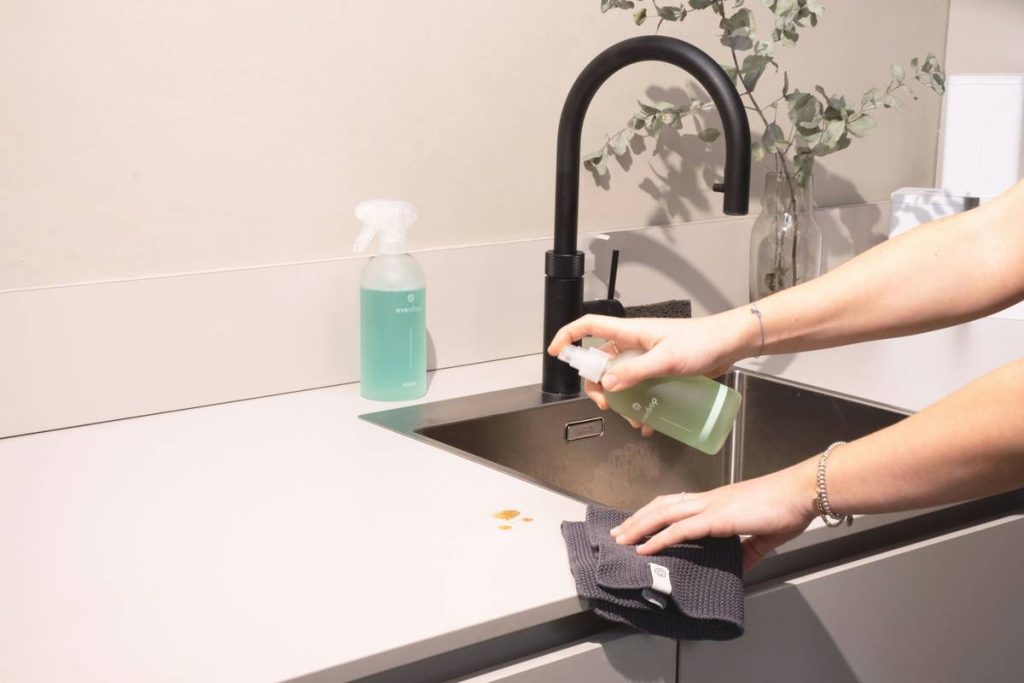
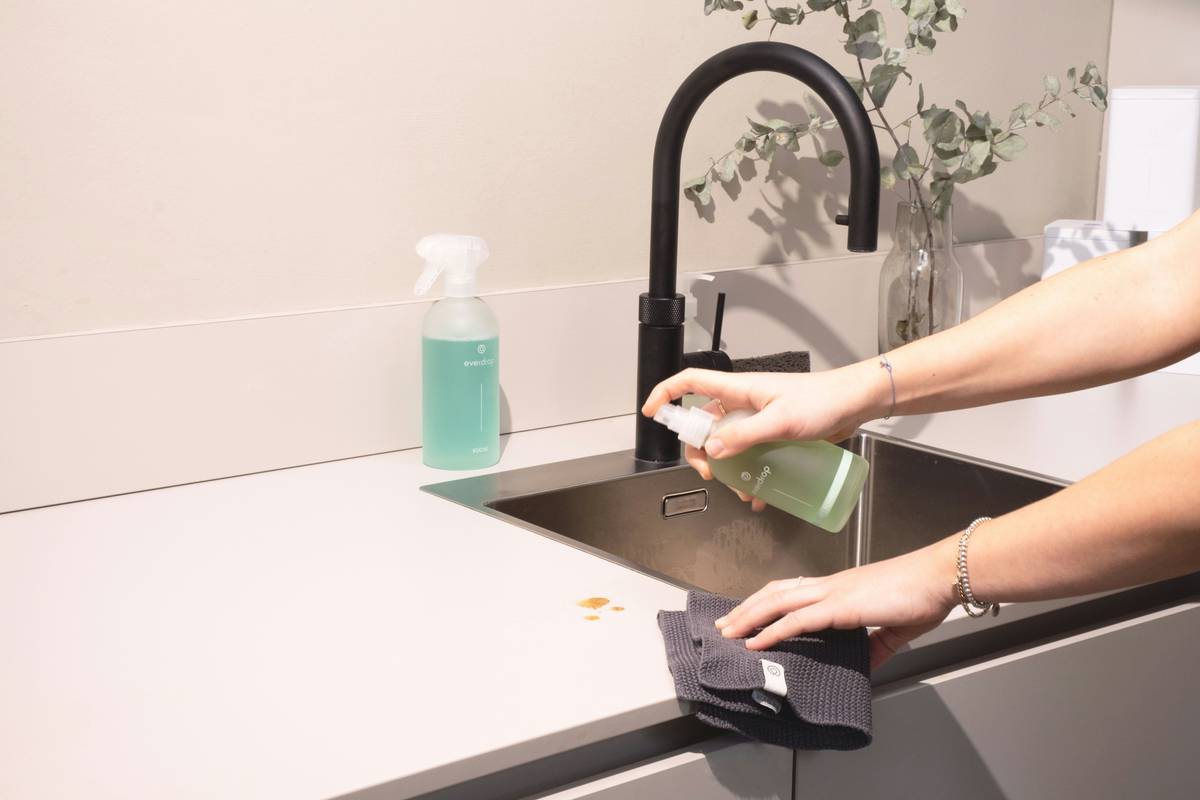
Combine 1 cup distilled water, 1 cup white vinegar, and 1 tsp castile soap in a reusable glass spray bottle. Shake gently before use. This blend cuts through kitchen grease, bathroom film, and sticky residues—without leaving streaks or smells. Avoid stone surfaces (vinegar etches marble).
The Forgotten Secret: Timing Matters More Than Strength
Most people spray and wipe immediately. Big mistake. Let your natural cleaning solution sit for 2–5 minutes. Vinegar needs time to break down calcium deposits; baking soda paste requires dwell time to neutralize organic acids in stains. Patience beats elbow grease every time.
The Industry Secret No Brand Wants You to Know
Big cleaning companies engineer “cling” into their formulas—not for better cleaning, but to make surfaces feel artificially slippery, tricking your brain into thinking it’s clean. Real cleanliness feels neutral, not slick. In blind tests, households using simple vinegar-water solutions reported higher satisfaction once they adjusted expectations. The smell fades in minutes. The results don’t. Also—sunlight is your free disinfectant. Hang cloths to dry in direct sun; UV rays kill 90% of surface microbes. No chemical needed.

FAQ
Is vinegar safe for all surfaces?
No. Avoid natural stone (marble, granite), waxed wood, and unsealed grout. Vinegar’s acidity can etch or degrade these over time.
Do I need essential oils for disinfection?
No. They add scent only—no meaningful germ-killing power at safe dilutions. Skip them unless you love the aroma.
How long does DIY cleaner last?
Up to 3 months in a sealed container. Vinegar preserves the mix, but label it with a date just in case.