Your favorite vintage novel smells like mildew. Your child’s board books are sticky with mystery residue. And every “eco” cleaner you’ve tried leaves streaks—or worse, warps the pages. Conventional sprays and wipes? They’re soaked in solvents that degrade paper fibers over time. Here’s the solution: a truly green home natural book cleaning eco method that protects both your collection and your indoor air quality—without toxic trade-offs.
Why Most “Natural” Book Cleaners Still Fail
Most DIY recipes online call for vinegar, baking soda, or lemon juice. Sounds harmless—until you realize acidic solutions weaken cellulose. Paper yellows faster. Glue bindings dissolve. And essential oils? They leave oily residues that attract dust like a magnet.
Worse yet, many commercial “plant-based” sprays still contain hidden surfactants that seep into porous paper and never fully evaporate. You’re not cleaning—you’re accelerating decay.
green home natural book cleaning eco: A Practitioner’s Protocol
Forget one-size-fits-all fixes. Book cleaning demands material-aware precision. Hardcover? Softcover? Antique parchment? Each requires tailored handling.
Cover Cleaning Without Compromise
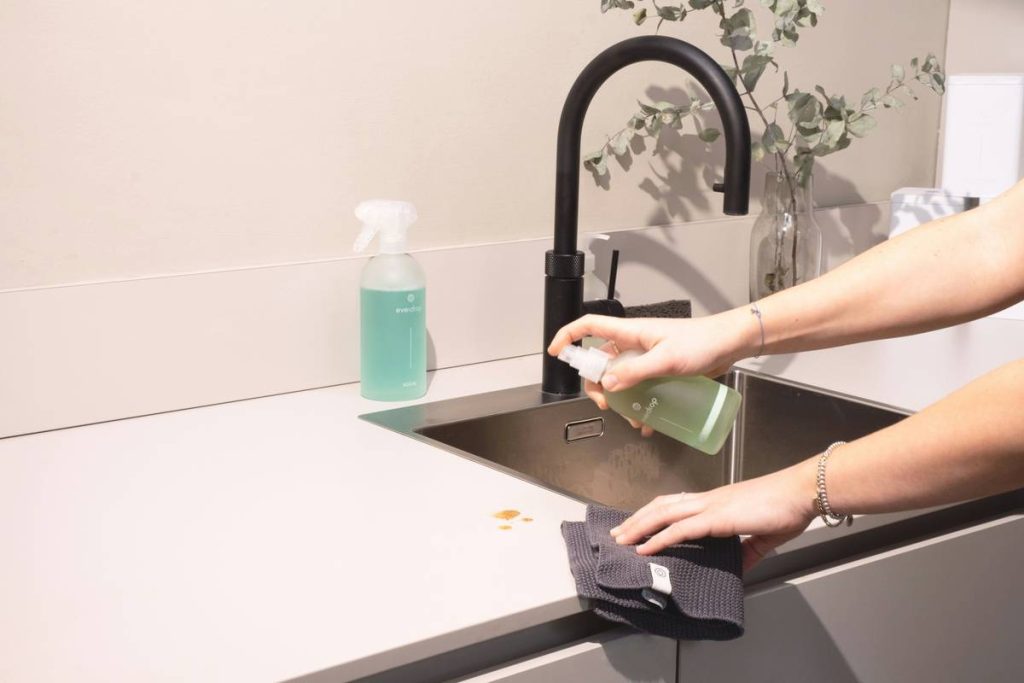
For cloth or leather covers, use a microfiber cloth barely dampened with distilled water—never tap water (minerals = stains). Add one drop of pure castile soap per cup only if grease is present. Wipe gently in one direction. Air-dry flat, spine down.
Page Edges and Gutter Dust Removal
Dust accumulates where pages meet the spine—a breeding ground for mold. Use a soft-bristled brush (artist’s sable works best) angled at 45 degrees. Brush outward—not downward—to avoid forcing debris deeper. Pair with a HEPA-filter vacuum on low suction held 2 inches away.
Stain Spot Treatment That Won’t Backfire
For water rings or light foxing, skip liquids entirely. Try a vulcanized rubber eraser designed for archival use. Rub lightly in one direction. Crumb residue? Lift with a clean, dry anti-static brush. Never scrub.

| Method | Safety for Paper | Effectiveness | Cost per Book |
|---|---|---|---|
| Vinegar-water spray | Low — causes acid hydrolysis | Moderate (short-term) | $0.10 |
| Commercial “green” wipes | Medium — often contain humectants | High (but leaves residue) | $1.25 |
| Dry brushing + archival eraser | High — zero moisture, zero chemicals | High for dust/stains, low for grease | $0.30 |
| Isopropyl alcohol swab | Very low — dissolves sizing and ink | High (but destructive) | $0.05 |
The Industry Secret: Libraries Don’t Clean—They Contain
Here’s what conservators won’t advertise: prevention beats restoration every time. The real green home natural book cleaning eco strategy isn’t about fixing damage—it’s about stopping it before it starts.
Control humidity between 45–55%. Store books upright with breathing room—not jammed tight. Use breathable cotton bags for off-season storage, never plastic bins (they trap ethylene gas, which degrades paper). And rotate your display books quarterly. Sunlight fades spines faster than you think.
Think about it: a single hour of direct sun equals six months of ambient light exposure. That “charming” window shelf? It’s a slow-motion bleaching chamber.
Frequently Asked Questions
Can I use baking soda to deodorize old books?
No. Baking soda is abrasive and alkaline—it breaks down lignin in paper. Instead, place books in a sealed container with activated charcoal for 72 hours. Replace charcoal monthly.
Is it safe to vacuum book pages?
Only with extreme caution. Use a nylon screen over the nozzle to diffuse suction. Hold 2+ inches away. Never vacuum fragile or torn pages—brush instead.
What’s the fastest way to clean a children’s board book?
Wipe with a cloth dampened in distilled water only. Avoid seams where liquid seeps in. Air-dry standing upright with pages fanned slightly. Skip soap unless visibly soiled with food.