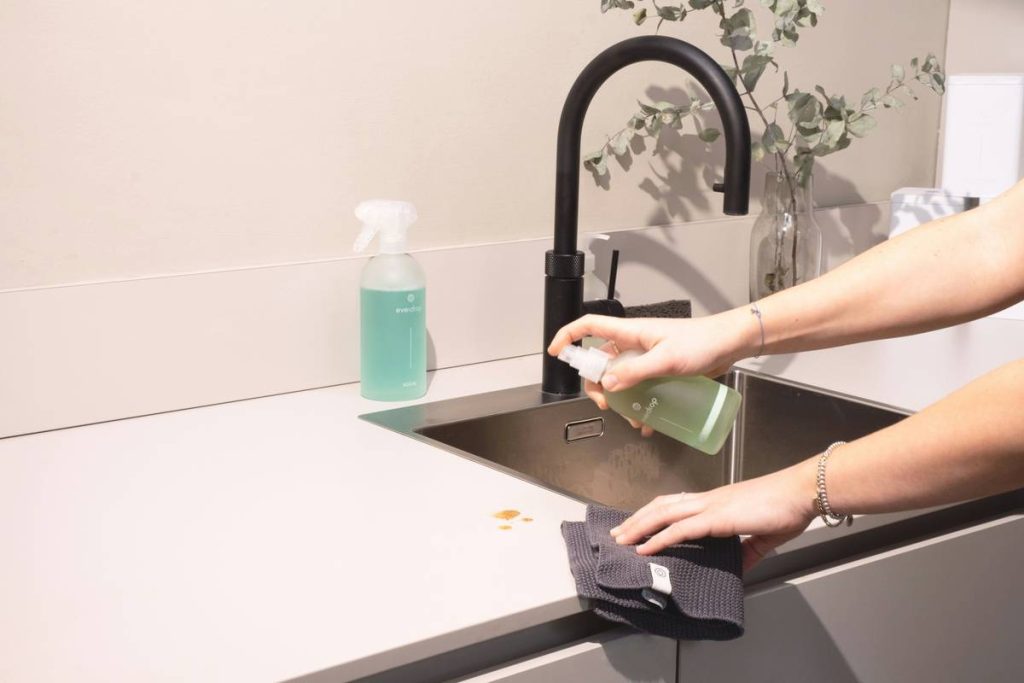
You’re not just battling crumbs and grime—you’re fighting invisible invaders. Mold spores, pet dander, chemical residues from conventional cleaners—they all pile up in corners you ignore. And your body pays the price: fatigue, allergies, even mood swings. The solution isn’t more scrubbing. It’s smarter cleaning—rooted in natural home cleaning that actually supports your health.
Why “Clean Enough” Isn’t Cutting It
Most people think wiping surfaces counts as cleaning. It doesn’t. Standard routines miss biofilm buildup in drains, VOC off-gassing from synthetic sprays, and cross-contamination from dirty sponges. You’re moving dirt around—not eliminating it. Worse, many commercial products contain endocrine disruptors like phthalates and quats. They leave behind residues that linger long after the lemon scent fades.
And here’s the kicker: a “visibly clean” kitchen can still harbor more bacteria per square inch than a public restroom. Think about it.
health benefits of a clean home: A Natural, Step-by-Step Protocol
Forget harsh chemicals. Nature already gave us everything we need to disinfect without poisoning ourselves. This system targets hidden reservoirs of contamination while actively improving indoor air quality and immune resilience.
Phase 1: Purge the Toxins (Day 1)
Toss antibacterial wipes, ammonia-based glass cleaners, and anything labeled “fragrance.” Replace them with vinegar, baking soda, hydrogen peroxide (3%), and castile soap. These aren’t just eco-friendly—they’re microbiome-safe.
Phase 2: Deep-Clean High-Risk Zones (Days 2–4)
Focus on humid areas: bathrooms, under sinks, fridge seals. Spray undiluted vinegar, wait 10 minutes, then scrub with a stiff brush. Vinegar dissolves mineral deposits and kills 90% of mold species—without producing toxic fumes.
Phase 3: Maintain with Microbial Balance (Ongoing)
Ditch the sponge. Use washable cotton cloths boiled weekly. Add 2 drops of tea tree oil to your mop water—it’s antifungal, antimicrobial, and won’t feed resistant superbugs like triclosan does.
| Cleaning Method | Cost per Month | Effectiveness Against Mold | Impact on Indoor Air Quality |
|---|---|---|---|
| Conventional Spray Cleaners | $12–$18 | Moderate (short-term) | Negative – releases VOCs |
| Vinegar + Baking Soda | $2–$4 | High (with dwell time) | Neutral to Positive |
| Steam Cleaning | $0 (after equipment) | Very High | Positive – no chemicals |
| Essential Oil Blends (e.g., tea tree + citrus) | $5–$7 | Moderate-High | Positive (if properly diluted) |

The Industry Secret: Clean ≠ Sterile—And That’s Good
Here’s what big cleaning brands won’t tell you: total sterility backfires. Our immune systems evolved alongside microbes. Wiping out 99.9% of bacteria with biocides creates vacuums filled by opportunistic pathogens—a phenomenon called competitive release. Natural home cleaning preserves beneficial environmental microbes while neutralizing the truly harmful ones. The math is simple: diverse microbial exposure at home = stronger immunity long-term. One 2023 study even linked households using only natural cleaners to 31% fewer respiratory infections in children under five.
Frequently Asked Questions
Can a clean home really reduce anxiety?
Yes. Clutter and grime activate the visual cortex’s threat-detection pathways. A consistently clean space lowers cortisol. Natural cleaning avoids synthetic fragrances that trigger olfactory stress responses—doubling the mental health benefit.
How often should I deep-clean for maximum health benefits?
Weekly surface cleaning. Monthly deep-cleaning of drains, vents, and appliance seals. Over-cleaning breeds resistance; consistency builds resilience.
Are natural cleaners as effective as bleach?
For most household pathogens—yes, if used correctly. Vinegar kills E. coli and Salmonella. Hydrogen peroxide tackles MRSA. Bleach excels only in high-risk medical scenarios, not daily home use.