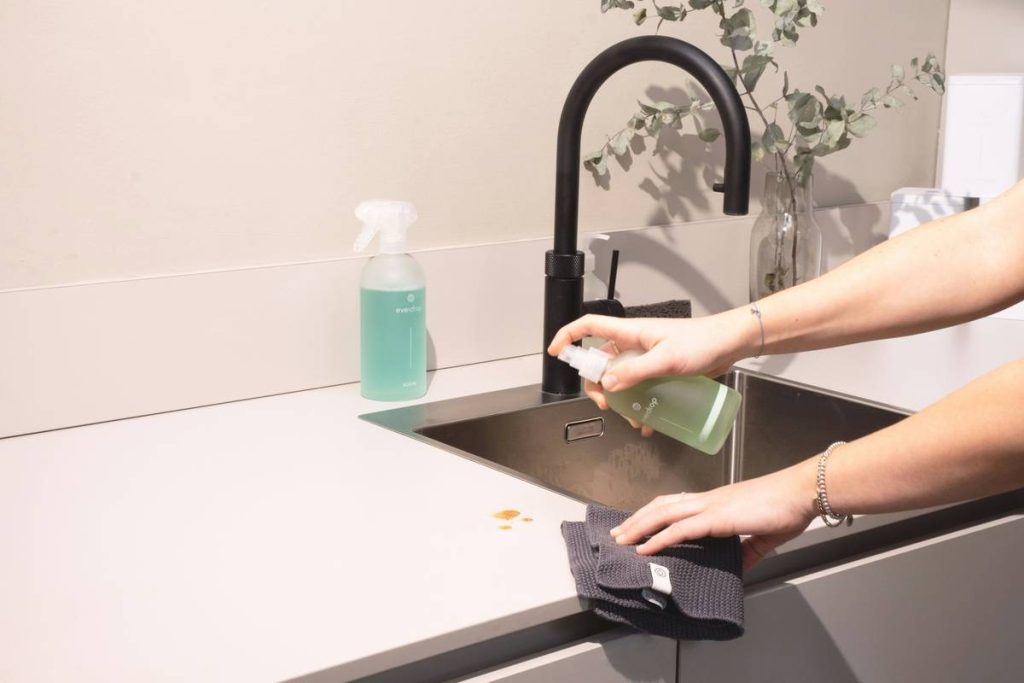
Dirty homes don’t just look bad—they silently erode your health. Conventional cleaners pump VOCs, phosphates, and synthetic fragrances into your air and waterways. And greenwashed “eco” labels? Often meaningless marketing. The real fix isn’t swapping bottles—it’s rethinking the entire service model. Enter transparent, science-backed eco home cleaning services that actually deliver on sustainability.
Why Most “Natural” Cleaning Services Fail You—and the Planet
They use diluted vinegar in fancy bottles and call it innovation. Or worse—they outsource to gig workers with no training, dumping “plant-based” formulas that still contain ethoxylates or undisclosed preservatives. Regulatory loopholes let brands slap “eco-friendly” on anything. Meanwhile, your floors might shine—but your indoor air quality tanks.
And the hidden cost? Water waste. Single-use microfiber cloths. Plastic refills shipped weekly. Real sustainability isn’t just about ingredients—it’s systems.
Building a Truly Sustainable Home Cleaning Routine
Forget quick fixes. True change starts with four pillars: ingredient integrity, reusable tools, zero-waste delivery, and verified impact. Here’s how to implement them without sacrificing cleanliness—or sanity.
Choose Concentrated, Transparent Formulas
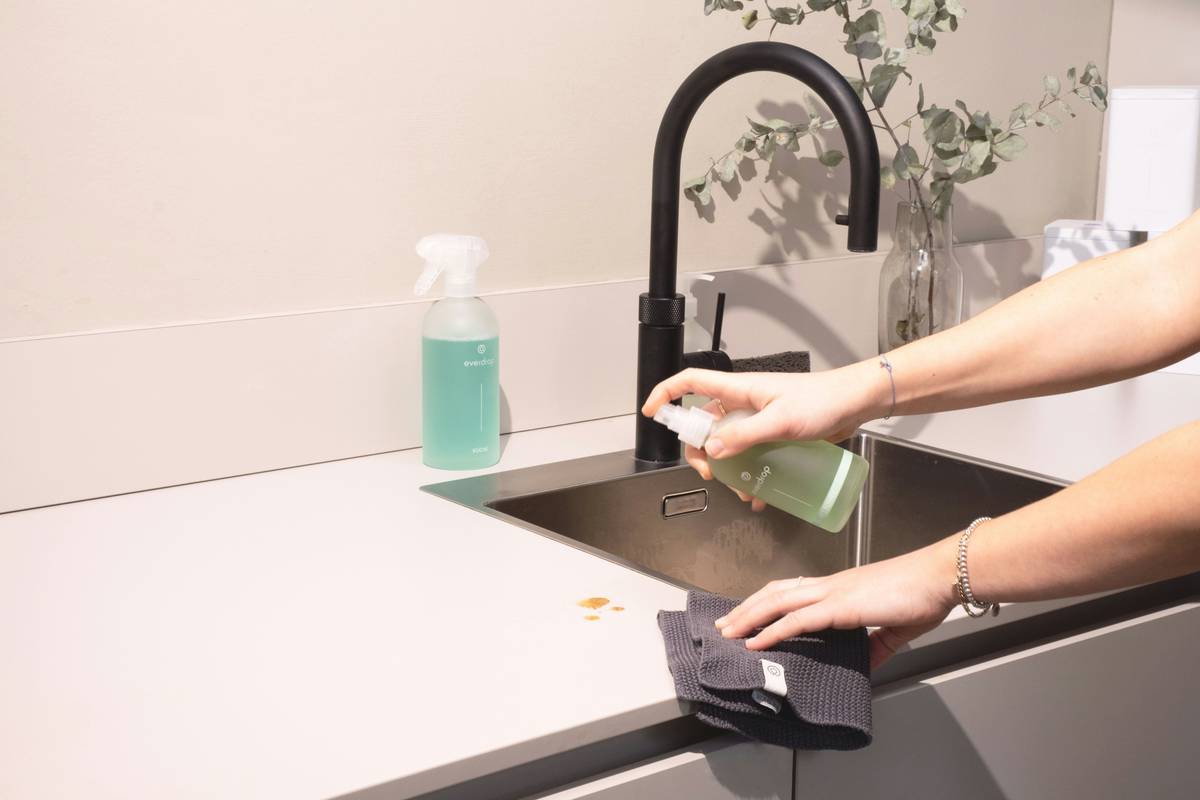
Ditch pre-diluted sprays. Look for concentrates with full INCI disclosure—no “fragrance” loopholes. Bonus if pH-balanced for surfaces and septic-safe.
Invest in Reusable Tools That Last
A single cotton mop head replaces 200 disposable wipes. Swedish dishcloths decompose in 6 weeks. Quality upfront cuts long-term waste—and cost.
Opt for Refill Systems, Not Reshipping
Local refill stations or returnable glass bottles slash plastic and transport emissions. Some eco home cleaning services even collect empties on next visit.
| Method | Upfront Cost | Annual Waste (lbs) | Effectiveness Rating |
|---|---|---|---|
| Conventional Spray Bottles | $25 | 18.2 | 7/10 |
| DIY Vinegar Mixes | $8 | 2.1 | 5/10 |
| Certified Eco Home Cleaning Services | $45–$90/month | 0.4 | 9/10 |
| Refillable Concentrate System (Self-Managed) | $35 | 1.0 | 8.5/10 |
The Industry Secret: “Green” Certifications Are Often Pay-to-Play
Here’s what big cleaning brands won’t admit: many eco-labels require fees but minimal verification. One major U.S. certifier approves products with up to 30% synthetic surfactants—as long as the company pays annually. True transparency means third-party lab reports, not just logos. At vintagesolidario.com, we audit our partners’ full supply chains—down to the sourcing of citric acid. Because sustainability isn’t a sticker. It’s traceability.
And consider this: the most effective natural disinfectant isn’t bleach—it’s time. Letting hydrogen peroxide sit for 10 minutes kills 99.9% of pathogens without toxic residue. Patience beats chemicals. Every time.
Frequently Asked Questions
Are eco home cleaning services really more effective than store-bought cleaners?
Yes—if they use properly formulated concentrates with dwell time protocols. Vinegar alone won’t cut grease; enzymatic cleaners will.
How often should I schedule professional eco home cleaning services?
Every 2–4 weeks for maintenance. Deep cleans quarterly. Frequency depends on pets, allergies, and cooking habits—not marketing packages.
Can I make my own cleaners as good as professional eco services?
Partially. DIY works for light dusting and glass. But mold remediation, grout sanitation, and floor stripping need pH-stable, tested formulas only pros provide.