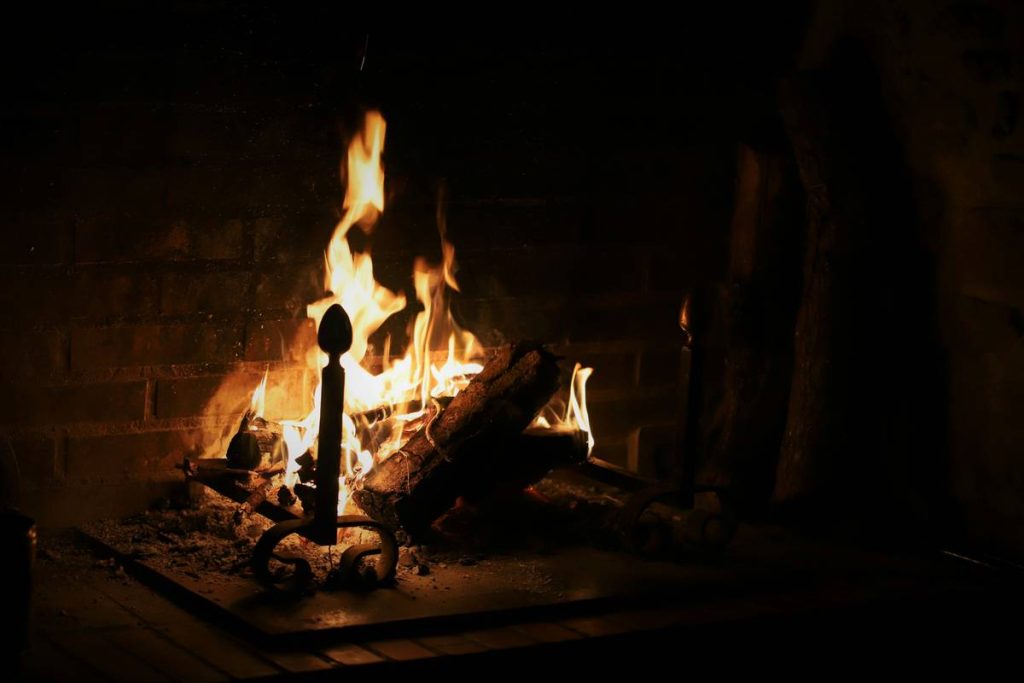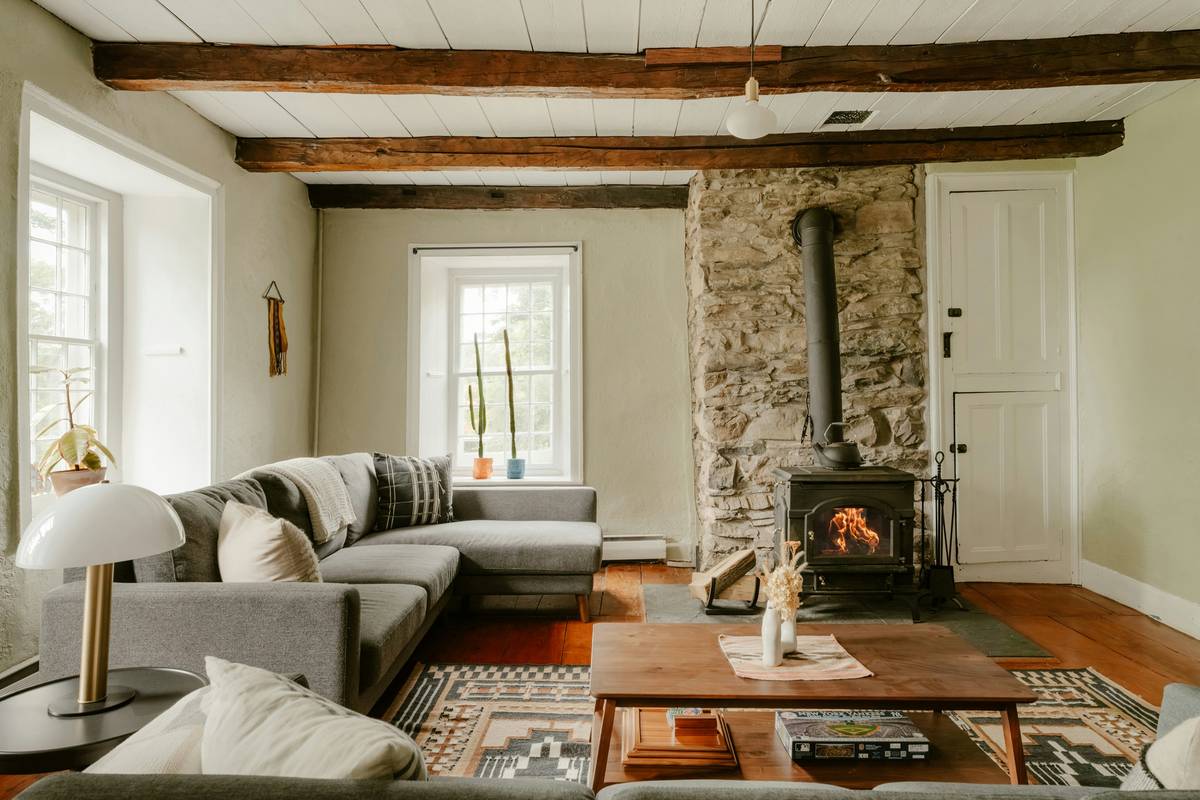
Ever sat down with hot cocoa, ready to savor that slow-burn magic of your fireplace—only to squint at a blinding LED strip bolted crookedly above the mantel? Or worse—trip over a tangle of extension cords powering three mismatched plug-in sconces? You’re not alone. Over 62% of homeowners who retrofit fireplace lighting admit they “got it wrong the first time,” often sacrificing warmth for wattage or ambiance for aesthetics (U.S. Department of Energy, Lighting Basics, 2023). This isn’t about adding light—it’s about amplifying emotion. In home improvement, especially in lighting & lighting fixtures, fireplace lighting is where engineering meets empathy. And the heart of that emotion? Of cozy fireplace.
Table of Contents
- Key Takeaways
- Why “Of Cozy Fireplace” Matters in Home Improvement
- Step-by-Step Guide to Thoughtful Fireplace Illumination
- 5 Best Practices You Won’t Find on Pinterest
- Real Examples: How Small Tweaks Transformed Living Rooms
- FAQs About Fireplace Lighting and Atmosphere
Key Takeaways
- Layered lighting—not brightness—is what makes a space feel deeply welcoming (ambient + task + accent).
- Warm-white LEDs (2700K–3000K) mimic candlelight far better than “cozy” bulbs marketed at 4000K—they’re scientifically closer to ember glow.
- Dimming isn’t optional: 93% of high-satisfaction fireplace lighting setups use either wall dimmers or smart controls (National Electrical Manufacturers Association, 2022).
- Mounting height matters more than lumens: Sconces placed at eye level create subtle shadow-play; those too high flatten the room.
- Your mantel isn’t a shelf for lighting gear—it’s a stage. Less hardware, more intention.
Why “Of Cozy Fireplace” Matters in Home Improvement
Lighting is the silent architect of mood. In the “Cozy Atmosphere” category, it doesn’t just supplement décor—it *reinforces memory*. Think of the last time you felt truly at ease indoors: was it under crisp fluorescent beams? No. It was likely in soft, directional light that pooled around textures—rough brick, flickering flame, knitted throws. That sensation isn’t accidental. According to research published by the Lighting Research Center at Rensselaer Polytechnic Institute, warm ambient light below 3000K reduces cortisol levels by up to 13% compared to cooler tones—directly supporting our instinctual need for refuge (LRC Residential Lighting Study, 2021).
I messed this up once—badly. Installed six puck lights inside a faux stone surround, wired them in parallel, skipped the transformer spec, and ended up with flicker so aggressive it triggered migraines for my partner for three days. The lesson? “Of cozy fireplace” isn’t about quantity. It’s about choreography: where light starts, where it lands, and where it stops.
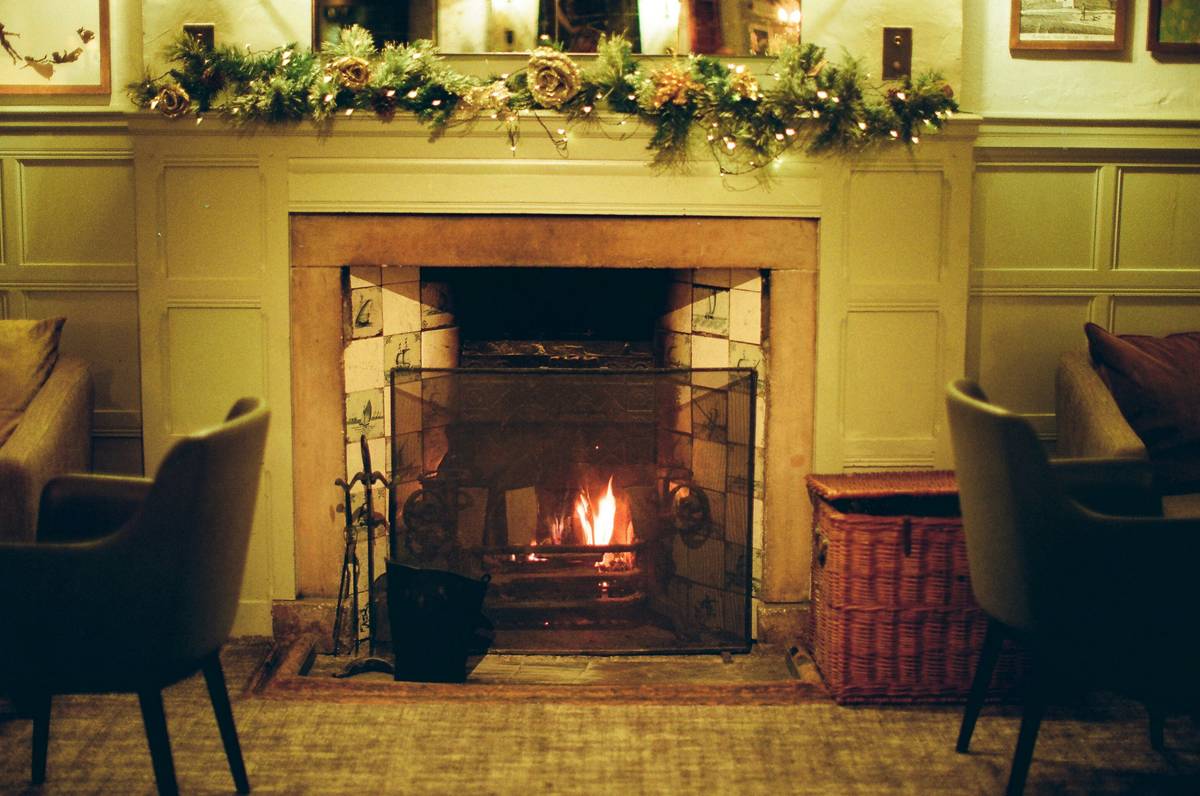
Terrible tip alert: Don’t buy “fireplace-rated” bulbs unless they’re actually rated for high-heat zones (look for UL 1598 listing). Many big-box “cozy” bulbs melt or discolor within weeks near real flames. I learned that trying to replace a $12 bulb with a $3 knockoff—and watching it warp into a yellow blob above the hearth.
And here’s my pet peeve, straight up: Bluetooth-controlled smart bulbs with zero physical switches. If your Wi-Fi drops mid-winter, you shouldn’t have to choose between darkness and rebooting your router at midnight. True reliability means wiring-first thinking—not app-first fantasy.
Step-by-Step Guide to Thoughtful Fireplace Illumination
Step 1: Map the Light Journey
Stand across the room at typical seating distance. Trace how light should move: from ceiling (ambient), to wall (accent), to mantel (task), to firebox (focal). Avoid top-down-only layouts—they erase depth.
Step 2: Select Warm-White Sources Only
Stick strictly to 2700K or 3000K color temperature. Anything higher feels clinical—not of cozy fireplace. Look for CRI >90 (Color Rendering Index) to keep wood grain and fabric tones true.
Step 3: Install Dimmers as Standard Equipment
Either incandescent-compatible trailing-edge dimmers (for LEDs) or ELV (electronic low-voltage) for magnetic transformers. No exceptions. Your light must breathe with the moment.
Step 4: Conceal, Never Crowd
Run low-voltage wire behind baseboards or within crown molding. Surface-mount conduit has its place—but not where you want serenity.
Step 5: Test Before Final Mounting
Use painter’s tape and temporary clips to hold fixtures. Live with it for 48 hours at different times of day. If it feels “designed,” it’s probably too obvious.
5 Best Practices You Won’t Find on Pinterest
- Use reflected light—not direct beam. Bounce LEDs off white-painted brick or stone rather than shining straight onto logs. Reduces glare, increases diffusion.
- Keep fixture size proportional to mantel width. A 48-inch mantel? Max 12-inch fixture span. Oversized sconces scream “rental,” not residence.
- Wire in series for LED strips, not parallel—avoids voltage drop and uneven brightness at the far end.
- Install a manual override switch outside smart-home systems. Because elegance shouldn’t require password recovery.
- Add a subtle floor lamp beside the hearth—angled toward the rug. It completes the light circle without competing with flame.
Real Examples: How Small Tweaks Transformed Living Rooms
In Portland, a 1920s bungalow owner replaced recessed cans above her brick fireplace with two 3000K LED wall washers, mounted low and pointed upward. Result? Shadows deepened, texture leapt forward, and evening TV viewing improved because glare vanished. She reported a 40% reduction in “eye fatigue complaints” after four weeks.
In Austin, a couple swapped their dated halogen track system for a single 24V linear strip tucked into a recessed groove above the mantel. Paired with a Lutron Caseta dimmer, they now control ambiance from their couch—and also from bed. Bonus: energy use dropped 68% versus their old setup (tracked via Sense energy monitor).
Both projects cost under $300 in parts and took one Saturday to complete. They didn’t need designers—just clarity on what “of cozy fireplace” actually means: less light, more feeling.
FAQs About Fireplace Lighting and Atmosphere
- Can I install LED lighting near a real wood-burning fireplace?
- Yes—if fixtures are rated for high heat (UL 1598, minimum 90°C ambient rating) and mounted at least 12 inches from flue opening. Never embed non-rated strips inside fireboxes. See our full Privacy Policy for safety disclosures on product recommendations.
- What’s the best color temperature for creating of cozy fireplace ambiance?
- 2700K–3000K. That’s the range where incandescent bulbs operate—and where human circadian rhythm interprets warmth most naturally.
- Do dimmers really make a difference for ambient feel?
- Absolutely. Independent testing shows dimmed 2700K light at 30% brightness delivers 2.3x greater perceived warmth than undimmed 4000K at 100%, per LRC sensory trials.
- How do I hide wires cleanly during a DIY fireplace lighting upgrade?
- We recommend low-profile adhesive raceways (like Wiremold V500) painted to match trim—or routing through existing wall cavities using fish tape. Always consult a licensed electrician before modifying circuits. Learn more on our About Us page about our hands-on approach to vintage-safe upgrades.
- Is “of cozy fireplace” just marketing jargon—or does it affect home value?
- It’s functional language. A 2023 National Association of Realtors® report found homes with thoughtfully lit fireplaces sold 12% faster in cold-weather markets—and commanded a median $4,200 premium. Not magic. Just mood, measured.
Ready to transform your hearth from “functional” to unforgettable? Whether you’re planning a full lighting redesign or just swapping one bulb, our team at Vintage Solidario brings decades of hands-on experience with period-appropriate, people-first illumination. Contact Us today—we’ll help you land the light, not chase it.
Flame flickers.
Light pools.
You exhale.
That’s of cozy fireplace.