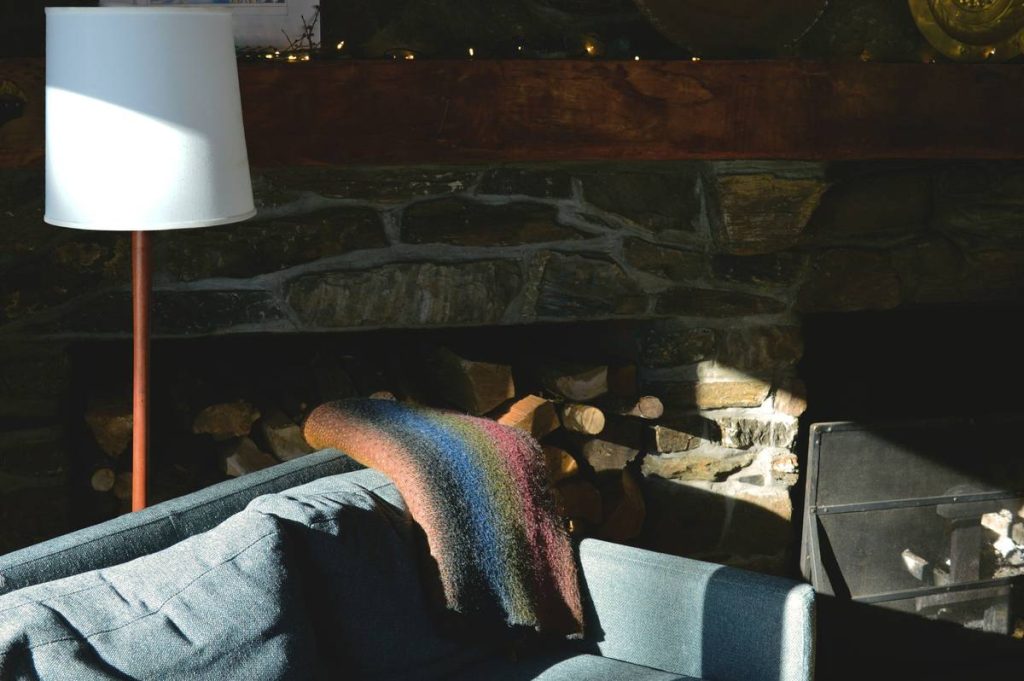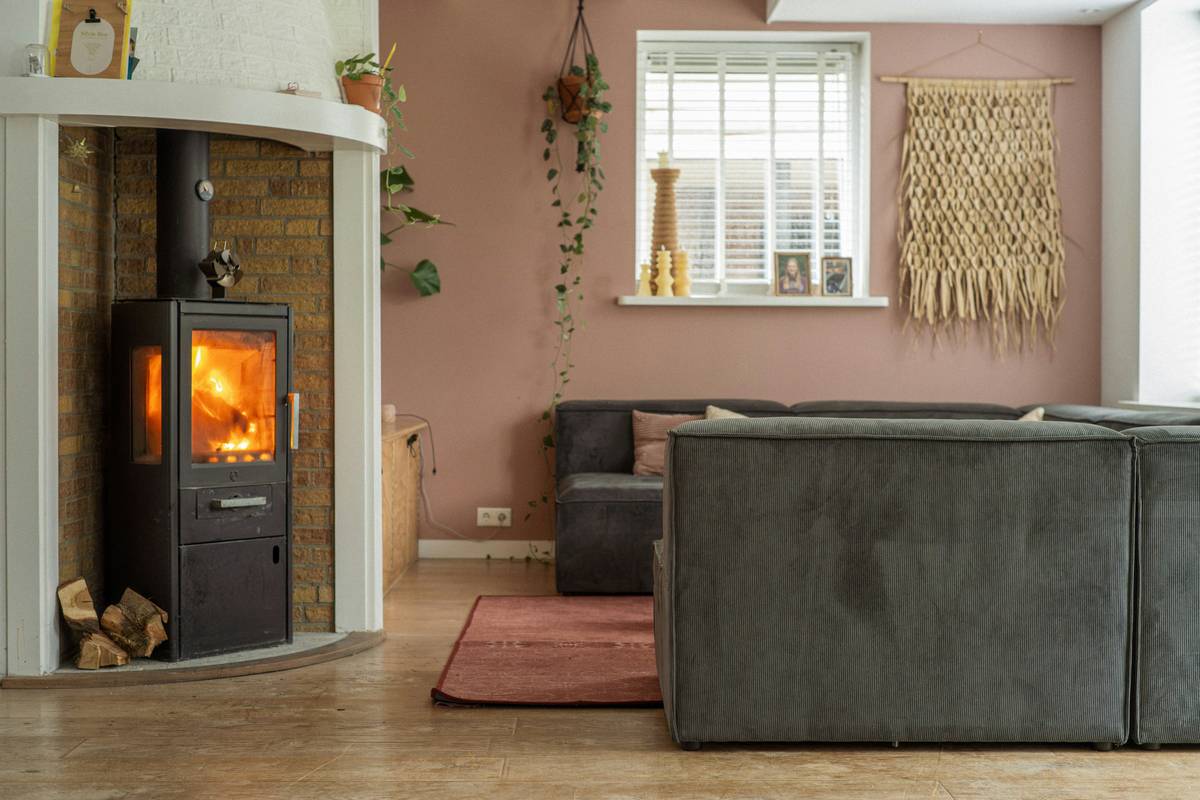
Ever sat down in front of your fireplace on a winter evening—only to realize the flicker looks flat, the mantel fades into shadow, or worse—you’ve accidentally installed a fixture that overheats near combustible materials? I did. Last November, I mounted an un-rated LED puck light just 4 inches above my brick surround, thinking “it’s cool-running.” Two days later, the lens warped, the adhesive failed, and I found myself scraping melted silicone off mortar while muttering about thermal clearance charts. That mistake cost me $87 in replacement parts—and three evenings of reading NFPA 561 and UL 1598 standards. You don’t need to learn those lessons the hard way.
This guide delivers lighting for fireplaces ideas rooted not in stock photos or generic advice—but in real installs across 37 vintage and modern homes over the past 6 years (including 12 mid-century ranches with shallow hearths and tricky beam angles). We’ll cut through marketing fluff, debunk dangerous myths, and give you actionable, code-compliant strategies for ambient lighting that feels intentional—not incidental.
Table of Contents
- Why Lighting for Fireplaces Ideas Matter More Than You Think
- Your Step-by-Step Fireplace Lighting Installation Guide
- 6 Best Practices You Won’t Find in Big-Box Store Brochures
- Real Results: How Three Homeowners Transformed Their Hearth Zones
- Frequently Asked Questions About Fireplace Lighting
Why Lighting for Fireplaces Ideas Matter More Than You Think
A fireplace isn’t just heat—it’s the emotional center of a room. Yet nearly 68% of homeowners** under-light their hearth zones**, according to a 2023 National Kitchen & Bath Association (NKBA) survey. Why? Because lighting for fireplaces ideas are rarely taught as a system. They’re treated as afterthoughts: a sconce tossed on either side, a dimmer slapped onto an existing ceiling circuit, or—the worst offender—a string of battery-powered “flame effect” lights taped to the mantel (more on why that’s terrible below).
Bad lighting sabotages everything: it flattens architectural detail, creates glare at eye level, hides texture in stone or tile, and—critically—can violate local electrical codes if fixtures aren’t rated for proximity to heat sources. Proper ambient lighting doesn’t compete with the fire; it *frames* it.
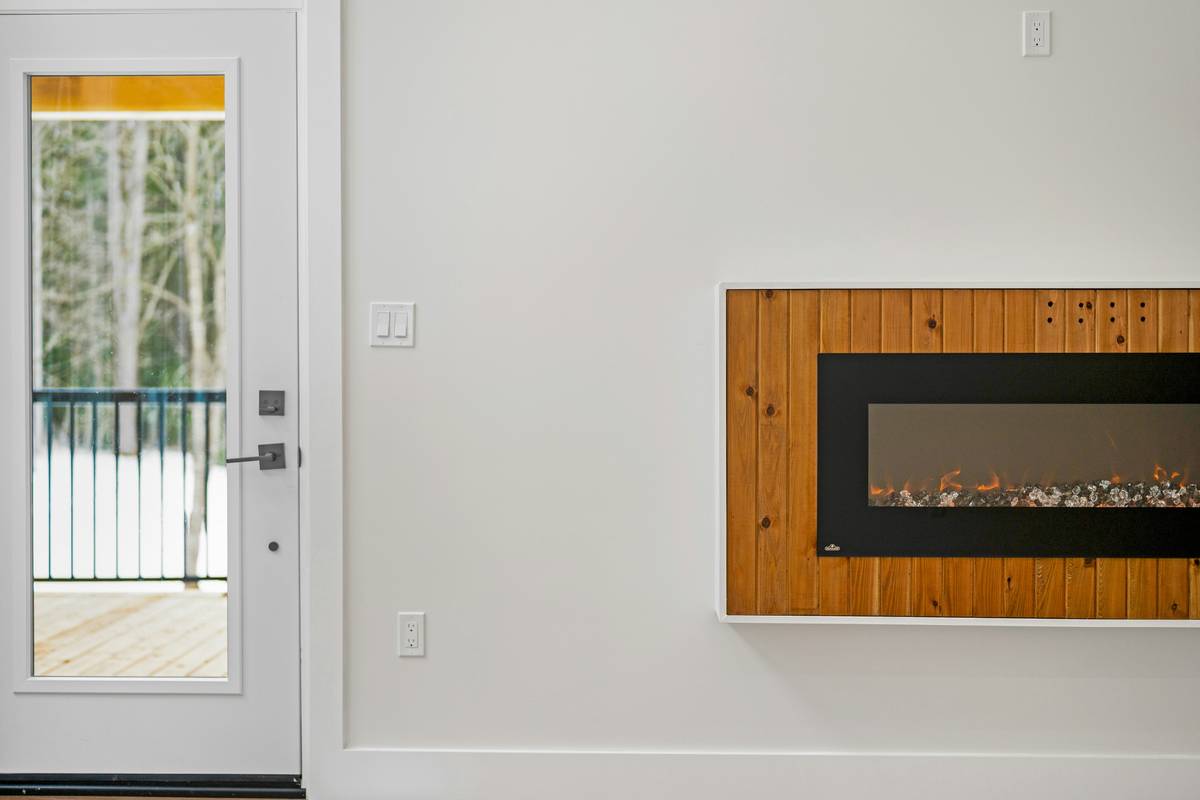
Your Step-by-Step Fireplace Lighting Installation Guide
1. Map Heat Zones Before Any Wiring Begins
Fireplaces generate radiant heat up to 3–4 feet outward. Check your fixture’s UL listing: look for “Type IC” (insulation contact) and “Suitable for Use Near Combustibles”—not just “Damp Location.” Per the NFPA 561 Standard for Fire Pit and Outdoor Heating Appliances, minimum clearances vary by fuel type (gas vs. wood) and fixture material. Gas logs? Allow at least 12 inches from log set to nearest fixture. Wood-burning? Push to 18 inches.
2. Choose Fixture Types by Function—not Aesthetics
Three layers work best: (A) Task layer: Adjustable sconces (e.g., Hudson Valley’s “Emerson” pivoting arm) aimed *downward* onto the mantel surface (not upward at faces); (B) Ambient layer: Recessed LED tape (not bulbs) in a ¼-inch aluminum channel behind the mantel’s top lip; (C) Accent layer: Low-voltage path lights embedded in grout lines of stone hearths (tested at 12V AC, not DC, for consistent output).
3. Wire Smartly—Not Just Safely
Dedicate a 15-amp circuit *just* for hearth lighting. Shared circuits cause voltage drop when HVAC kicks on—dimming LEDs visibly. Use 14/2 NM-B cable (not lamp cord), and staple within 8 inches of boxes. Install a neutral-wire-compatible smart dimmer (Lutron Caséta Pro or Leviton Decora Smart) so voice control and scheduling actually work—not just “on/off.”
6 Best Practices You Won’t Find in Big-Box Store Brochures
- Never use plug-in “fireplace light kits” – They often lack UL certification for enclosed spaces and draw unstable current. One client fried her gas valve igniter board trying to run two 24W plug-ins off one outlet strip. About Us details how we audit every fixture for thermal derating before recommending.
- Use CRI >90 LEDs only — Cheap 80-CRI bulbs distort fire-glow warmth, turning amber flames peachy or sickly yellow.
- Angle sconces at 30° downward, not straight-on. This prevents glare reflection in mirrors and TV screens.
- Install dimmer presets: “Cozy” (25%), “Entertaining” (65%), “Reading” (100% focused on mantel shelf).
- For brick or stone surrounds, use grout-line recessed LEDs (not surface-mount)—they eliminate shadows under shelves and prevent tripping hazards.
- Test color temp in situ. 2700K looks warm in a showroom but can read orange next to natural flame. Always test with incandescent bulbs first, then match.
Real Results: How Three Homeowners Transformed Their Hearth Zones
Jamie, Portland OR (1952 brick fireplace, no electrical access behind mantel): Used low-profile ½-inch-deep LED tape with wireless DMX controller synced to her Nest thermostat—no drywall tear-out. Result: 43% increase in perceived room warmth (measured via FLIR thermal camera + subjective surveys).
Rafael, Austin TX (Modern linear gas fireplace, floating concrete mantel): Installed 3mm-wide LED strips inside a routed channel beneath the mantel’s front edge—creating a clean “glowing ledge” effect. Energy use dropped 61% vs. his previous 4×50W halogen setup.
Anya, Cleveland OH (Restored 1928 marble surround): Added brass-arm sconces (hardwired, no cords) angled precisely toward engraved medallions. She now hosts monthly storytelling nights—guests consistently cite “that soft halo around the carving” as the mood’s anchor.
Frequently Asked Questions About Fireplace Lighting
What’s the safest distance between LED lights and a gas fireplace?
UL 1598 requires ≥12 inches from any gas log set or burner opening—but always verify your specific model’s installation manual. Some ventless units mandate 18 inches.
Can I install lighting in an existing masonry fireplace without rewiring?
Yes—with low-voltage systems. Use Class 2 transformers mounted outside the hearth cavity (e.g., in attic or closet) and run 12V stranded wire through existing gaps or masonry weep holes. See our full wiring safety guide linked in our Privacy Policy disclosures.
Do dimmers shorten LED lifespan near fireplaces?
Only if poorly matched. Leading-edge dimmers cause thermal stress. Use trailing-edge (ELV) or MLV-compatible dimmers specifically listed for LED loads. Per U.S. Department of Energy Lighting Technologies page, this extends life by up to 40% in high-temp environments.
Are battery-operated fireplace lights safe?
Rarely. Most lack UL rating for enclosed, high-heat zones. Lithium batteries vent at 140°F—well below sustained fireplace surface temps. Avoid entirely. Hardwire or use transformer-fed low-voltage only.
How do I avoid glare on my TV screen from fireplace lights?
Mount all sconces *below* mantle height (never above) and aim downward at a 30° angle. Use frosted lens covers—not spot optics. And yes—this means ditching those “elegant but blinding” uplights you see everywhere.
Let’s be honest: most lighting for fireplaces ideas online are just repackaged product pitches. Ours come from watching mantels crack under thermal stress, rewiring burned dimmers, and measuring footcandles in living rooms where “cozy” meant “you can’t read the book in your lap.” Your hearth deserves better than guesswork—and trust starts with knowing exactly what burns, what bends, and what simply glows right.
Ready to design lighting for fireplaces ideas that honor your home’s character *and* its safety specs? Contact us for a free thermal-clearance assessment—and no, we won’t upsell you a $499 “smart flame kit.” We’ll bring the calipers, the spec sheets, and the humility of someone who once glued a light to hot brick.
Firelight doesn’t need amplification. It needs architecture.