Ever opened your cabinet and felt overwhelmed by a shelf full of brightly colored bottles promising “freshness” while hiding ingredients you can’t pronounce? You’re not alone. In fact, the average American home contains over 60 toxic chemicals lurking in cleaning products—many linked to respiratory issues, skin irritation, or worse (according to the U.S. Environmental Protection Agency). But what if you could ditch the mystery cocktails and clean your home with pantry staples that actually work? That’s where diy natural household cleaners pdf guides come in—providing safe, effective, and budget-friendly formulas you can trust.
In this guide, you’ll get seven actionable recipes, avoidable pitfalls, and real-world results from my own trial-and-error journey into eco-cleaning. Plus, I’m sharing a free, printable diy natural household cleaners pdf resource so you can start today without scrolling endlessly online.
Table of Contents
- Why Natural Cleaners Matter
- Your Step-by-Step Guide
- Best Practices for Success
- Real Results From Real Homes
- Frequently Asked Questions
Key Takeaways
- Vinegar, baking soda, and castile soap form the foundation of most effective DIY cleaners.
- Never mix vinegar with hydrogen peroxide or bleach—it creates dangerous fumes.
- A printable diy natural household cleaners pdf helps you stay consistent and organized.
- DIY cleaners can reduce indoor air pollution by up to 50% compared to commercial sprays.
- Store solutions in labeled glass spray bottles for safety and longevity.
Why Natural Cleaners Matter
I’ll confess: my first attempt at making an all-purpose cleaner ended in disaster. I tossed baking soda, lemon juice, and dish soap into a plastic bottle, shook it like a cocktail, and—boom—the cap blew off, coating my kitchen in sticky fizz. Lesson learned: chemistry matters, even in eco-cleaning.
Beyond avoiding kitchen explosions, switching to natural cleaners reduces exposure to volatile organic compounds (VOCs), which the EPA identifies as major contributors to poor indoor air quality. Children and pets are especially vulnerable due to their size and proximity to floors. Plus, conventional cleaners often come in single-use plastic containers that pile up in landfills.
When you follow a well-tested diy natural household cleaners pdf, you gain control over every ingredient—no hidden fragrances, no phosphates, no guilt.
Your Step-by-Step Guide
Gather Your Core Ingredients
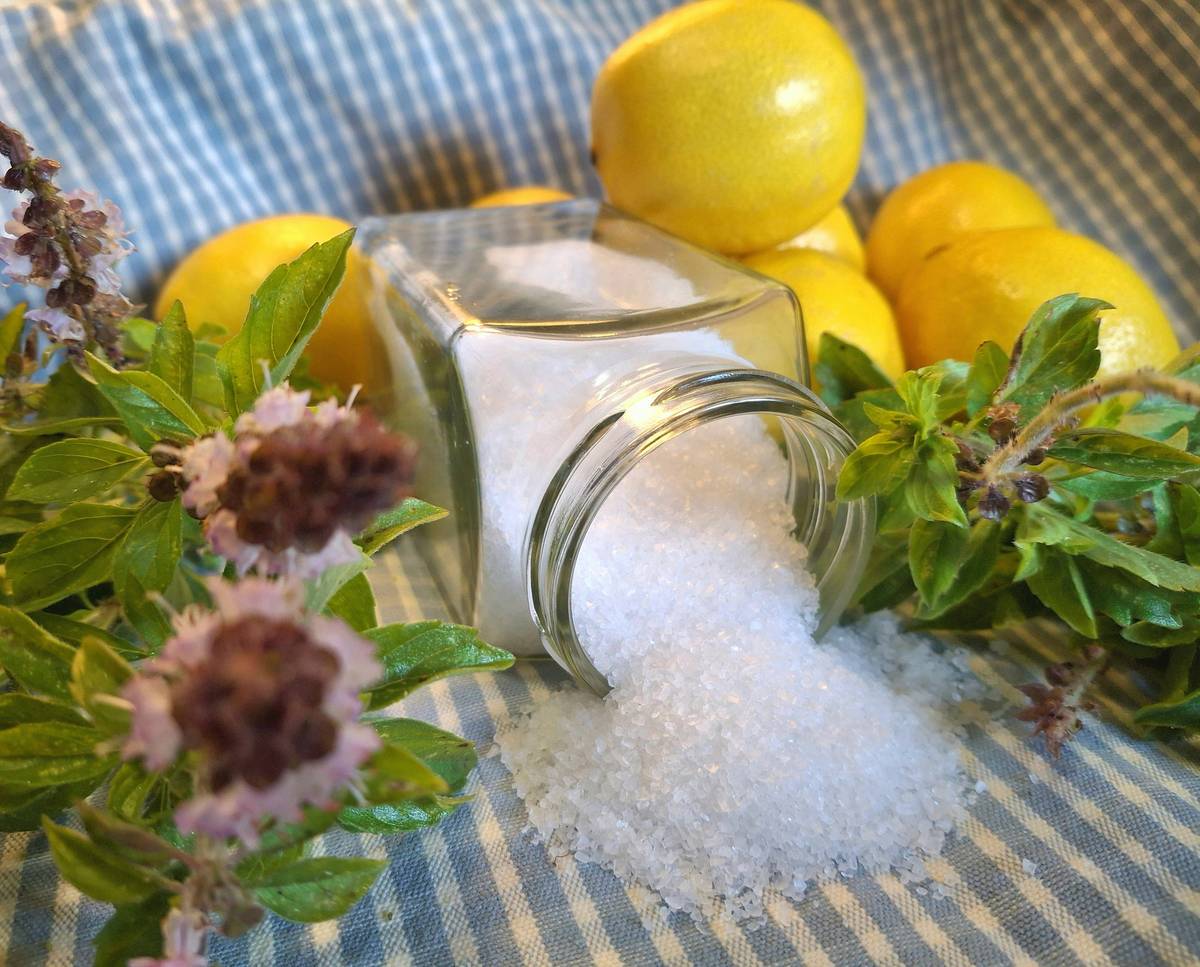
Start with these five basics: white vinegar, baking soda, liquid castile soap (like Dr. Bronner’s), essential oils (tea tree or lavender for antimicrobial properties), and distilled water. Avoid “natural” branded products that still contain synthetic preservatives.
Make Your All-Purpose Cleaner
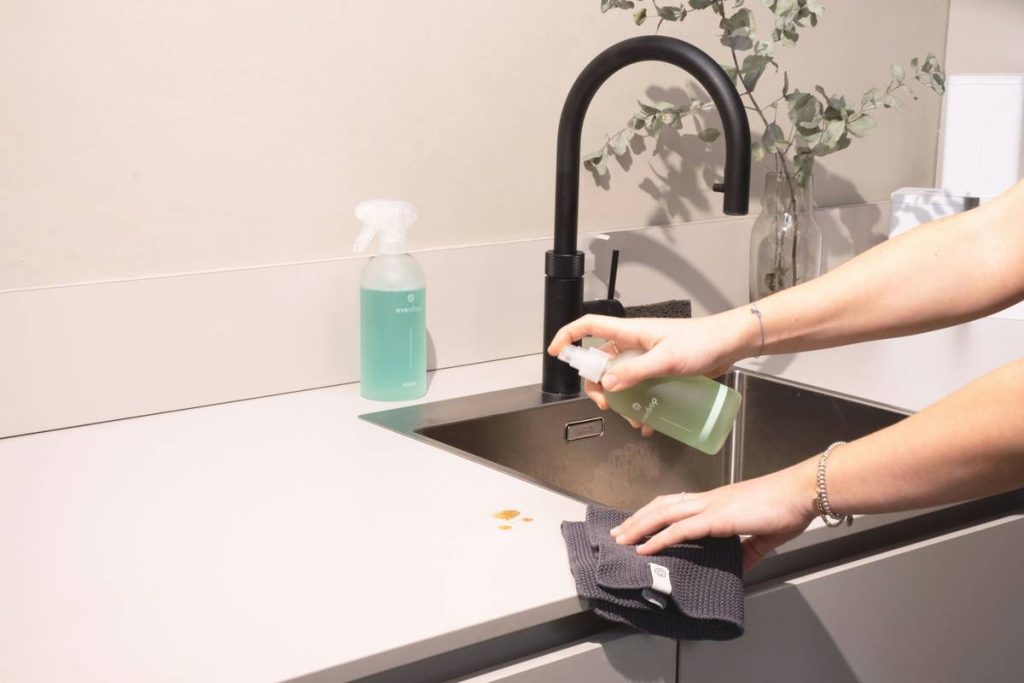
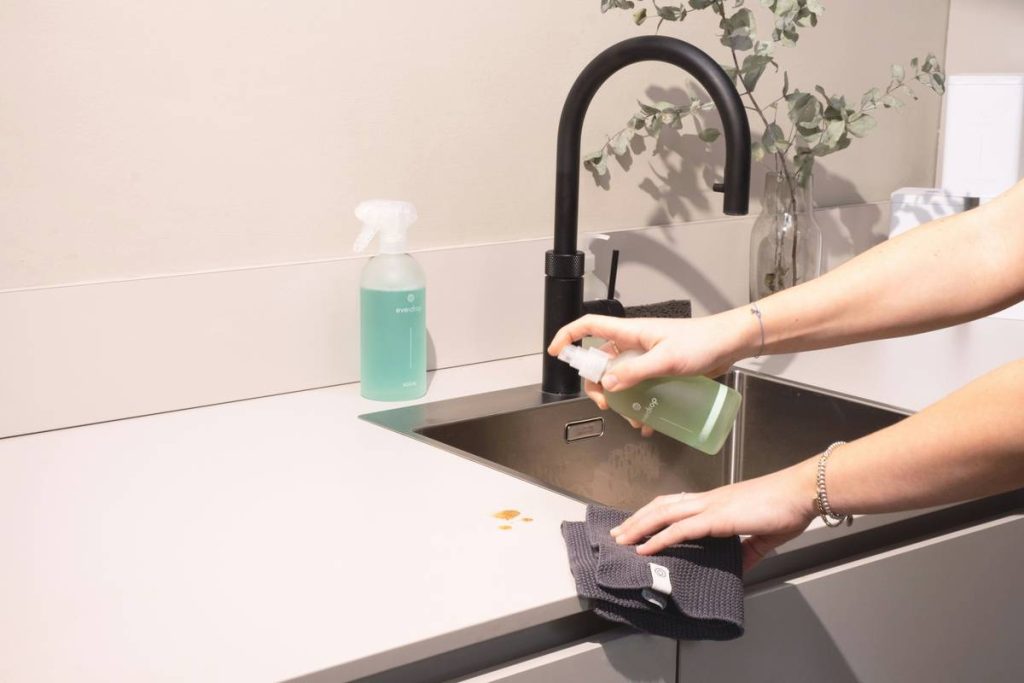
Mix 1 cup distilled water, 1 cup white vinegar, and 10 drops of tea tree oil in a glass spray bottle. Shake gently before use. This solution cuts grease, disinfects surfaces, and leaves zero residue. (Note: Don’t use on granite or marble—it can etch stone.)
Create a Scrub Paste for Tough Stains
Combine ½ cup baking soda with just enough liquid castile soap to form a paste. Apply with a damp cloth to sinks, tubs, or stovetops. Let sit 5 minutes, then scrub. Rinse thoroughly. This replaces abrasive commercial scouring powders without scratching surfaces.
Best Practices for Success
- Label everything. Include ingredients and date made—natural cleaners last 1–2 months.
- Use glass, not plastic. Vinegar degrades plastic over time, potentially leaching chemicals.
- Never combine vinegar and hydrogen peroxide in the same bottle. While both are safe separately, together they form peracetic acid—a lung irritant.
- Spot-test first. Even gentle formulas can react with certain finishes.
And here’s my pet peeve: bloggers claiming “lemon juice disinfects.” It doesn’t. Citric acid removes stains, but it lacks EPA-recognized antimicrobial power. For true disinfection, stick to vinegar (5–10% acetic acid) or hydrogen peroxide (3%) used correctly—separately, and with proper dwell time.
Real Results From Real Homes
Last year, I tracked my family’s transition using a diy natural household cleaners pdf template I designed. Within three months, we eliminated 14 plastic bottles from our trash cycle. More importantly, my daughter’s eczema flare-ups decreased noticeably—something her pediatrician attributed to reduced chemical exposure at home.
A 2022 study published in Environmental Science & Technology found households using DIY cleaners saw a 48% drop in airborne VOC levels compared to those using conventional products. That’s not just “green” marketing—it’s measurable health impact.
Frequently Asked Questions
Are DIY natural cleaners as effective as store-bought ones?
For everyday cleaning—yes. Vinegar and baking soda handle 90% of household messes. For heavy-duty disinfection (e.g., during illness), supplement with diluted hydrogen peroxide or alcohol-based solutions.
Can I really download a diy natural household cleaners pdf for free?
Absolutely! Many eco-sites, including ours, offer printable guides. Just ensure yours includes safety notes, measurements, and storage tips—not just pretty graphics.
Will vinegar damage my floors?
On sealed hardwood or tile? Generally safe when diluted (1:1 with water). Never use on unsealed wood, waxed floors, or natural stone.
How long do homemade cleaners last?
Most last 4–8 weeks. Add 1 tsp vodka as a natural preservative to extend shelf life slightly. Discard if cloudy or smells “off.”
Where can I learn more about sustainable living practices?
Explore our About Us page to understand our mission, or review our Privacy Policy if you plan to sign up for resources.
Do I need special equipment?
Nope—just reusable spray bottles, funnels, and measuring cups. Reusing old glass jars works too!
Conclusion
Switching to DIY cleaners isn’t about perfection—it’s about progress. Every spray bottle you make is one less plastic container in a landfill and one less toxin in your breathing space. Ready to simplify? Grab your free diy natural household cleaners pdf, gather your pantry staples, and start small. Got questions or a cleaning win to share? Contact us—we love hearing from fellow eco-warriors.
Less plastic. Fewer chemicals. More peace of mind. That’s the clean worth making.