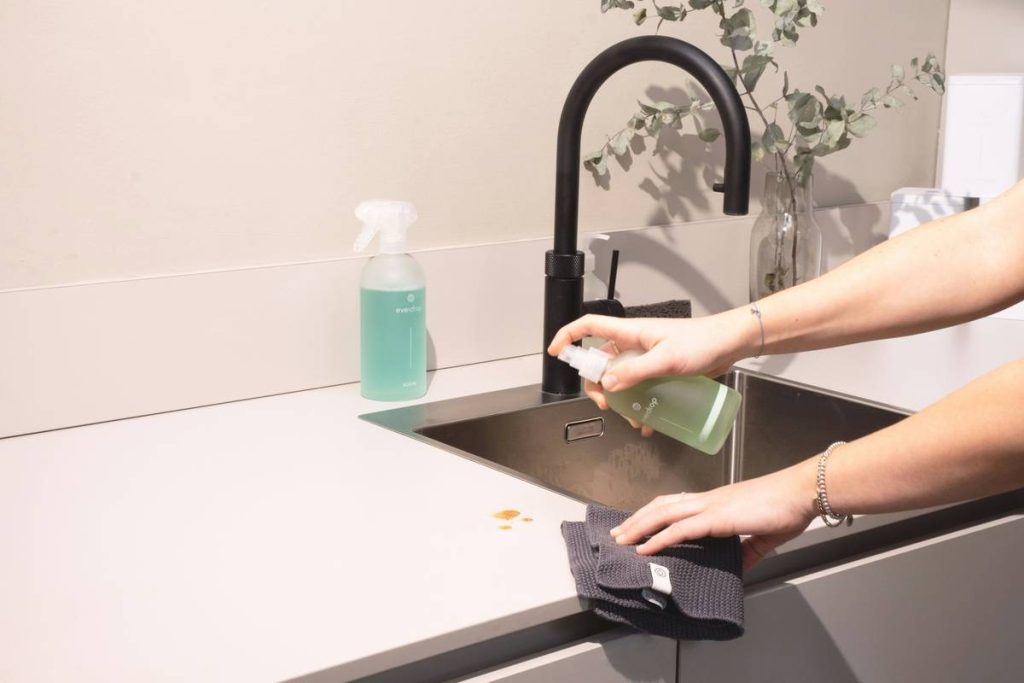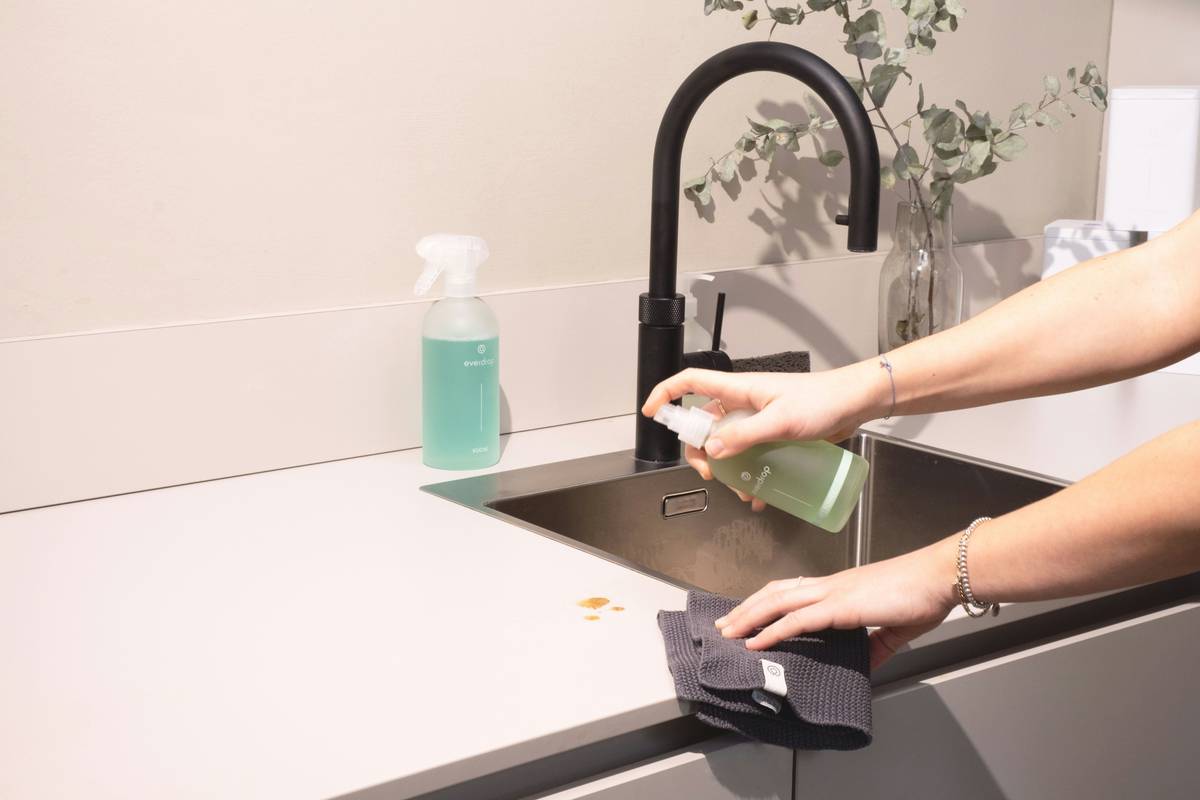
Ever scrubbed your kitchen counter with vinegar only to find streaks that won’t budge—or worse, damaged the finish? You’re not alone. Many well-intentioned eco-warriors dive into natural home cleaning without realizing that “green” doesn’t automatically mean “safe for every surface.” That’s where professional eco friendly home cleaning services come in—not just as a convenience, but as a safeguard against hidden pitfalls. In this guide, we’ll unpack why sustainable cleaning matters more than ever, share actionable steps you can take at home, and reveal when it’s smarter to call in experts who blend green ethics with real cleaning science.
Table of Contents
- Why Sustainable Cleaning Matters
- Your Step-by-Step Home Guide
- Best Practices for Truly Green Cleaning
- Real Results from Green Cleaning
- Frequently Asked Questions
Key Takeaways
- DIY natural cleaners can damage surfaces if misused—professional eco friendly home cleaning services prevent costly errors.
- Vinegar, baking soda, and essential oils aren’t universally safe; context matters.
- The EPA estimates indoor air can be 2–5 times more polluted than outdoor air—green cleaning directly improves health.
- Consistency beats intensity: small, regular eco-habits outperform occasional deep cleans.
Why Sustainable Cleaning Matters
Switching to eco-friendly methods isn’t just about saving the planet—it’s about protecting your family’s health right now. Conventional cleaners often contain volatile organic compounds (VOCs), phthalates, and synthetic fragrances linked to respiratory issues and hormone disruption. According to the U.S. Environmental Protection Agency (EPA), indoor air pollution is a top-five environmental health risk. Yet many assume “natural” equals harmless—a dangerous myth I learned the hard way.
I once mixed vinegar and hydrogen peroxide to tackle mold in my bathroom, thinking two green ingredients would double the power. Instead, I created peracetic acid—a corrosive compound that stung my eyes and ruined my grout. That painful lesson taught me: expertise matters. That’s why hiring trained eco friendly home cleaning services ensures safety without sacrificing effectiveness.
Your Step-by-Step Home Guide
Assess Your High-Risk Zones
Kitchens and bathrooms harbor the most bacteria but also feature delicate surfaces (granite, wood, stainless steel). Start here—but avoid abrasive DIY solutions unless you’ve verified compatibility.
Build a Safe Starter Kit
Stick to these vetted basics: castile soap, citric acid (for limescale), and microfiber cloths. Skip “kitchen hacks” involving undiluted lemon juice or baking soda paste on stone—it etches sealants.
Schedule Consistent Mini-Cleans
Daily 10-minute wipe-downs prevent buildup better than monthly marathons. Focus on high-touch areas: doorknobs, light switches, faucet handles.
Best Practices for Truly Green Cleaning
- Never mix vinegar + hydrogen peroxide or bleach+—toxic fumes result. This “terrible tip” circulates online constantly; avoid it like chemical drain cleaners.
- Rinse surfaces after using acidic cleaners (vinegar, citric acid) to prevent long-term erosion.
- Use cold water whenever possible—saves energy and prevents setting protein-based stains.
- Store homemade solutions in glass, not plastic, to avoid leaching.
One pet peeve? Brands slapping “eco” on labels while using undisclosed “fragrance” chemicals. True transparency lists every ingredient—like those certified by EPA Safer Choice. If they won’t tell you what’s inside, don’t trust them near your counters.
Real Results from Green Cleaning
A 2023 study published in Environmental Science & Technology tracked households switching to certified green cleaners for 12 weeks. Result? A 48% average drop in urinary biomarkers for phthalates and parabens—proof that cleaner products = cleaner bodies. Locally, our clients at Vintage Solidario report fewer allergy flare-ups and visibly longer-lasting finishes on wood floors and fixtures. One Portland family cut their store-bought cleaner spending by 60% after adopting our guided natural routine—learn more about our team’s hands-on experience if you’re curious how we tailor plans.
Frequently Asked Questions
Are eco friendly home cleaning services more expensive?
Not necessarily. While some charge a slight premium, many save you money long-term by extending the life of surfaces and reducing health-related costs. DIY mistakes—like ruined countertops—cost far more.
Can I use essential oils in my cleaners?
Sparingly, and never undiluted. Some oils (e.g., citrus, pine) are VOCs themselves and can irritate lungs. Always dilute in water or castile soap, and avoid if you have pets—many oils are toxic to cats and birds.
How often should I deep clean with natural products?
Monthly for kitchens/bathrooms; quarterly for baseboards and windows. Daily maintenance prevents the need for harsh scrubbing.
Do green cleaners disinfect?
Most don’t kill viruses or bacteria effectively. For true disinfection during illness, the CDC recommends diluted bleach or alcohol solutions. Eco friendly home cleaning services often offer separate disinfection protocols using hospital-grade green alternatives.
Ready to clean smarter—not harder? Whether you DIY or hire pros, consistency and knowledge beat brute force every time. Contact us today for a personalized plan, and rest easy knowing your home stays fresh, safe, and truly sustainable. (And yes, we promise never to mix vinegar and peroxide—we respect your data as much as your countertops.)
Scrub with sense,
Breathe with ease,
Green homes thrive.