Most “eco-friendly” cleaners are anything but. You pay premium prices for bottles labeled “natural”—only to find hidden petrochemicals, synthetic fragrances, and misleading certifications. And the worst part? Your home still smells like a chemical lab. Here’s the fix: ditch the greenwashed shelves. Start making your own diy eco cleaner natural home make with pantry staples that actually work—without costing the earth.
Why Commercial “Green” Cleaners Fail
Companies slap “plant-based” on labels while using less than 5% actual plant ingredients. The rest? Surfactants derived from crude oil, preservatives like methylisothiazolinone (a known skin sensitizer), and vague terms like “fragrance”—which can hide dozens of unlisted chemicals. Regulatory loopholes are wide open.
And even certified products often rely on single-use plastic packaging. So you’re cleaning your counters—but polluting oceans in the process. Not exactly sustainable.
DIY Eco Cleaner Natural Home Make: A Step-by-Step System That Actually Cleans
Forget vague recipes with “a splash of vinegar.” Real cleaning demands science—not folklore. Below is a battle-tested system I’ve refined over 7 years of running zero-waste workshops. It tackles grease, grime, hard water stains, and odors—without toxic residue.
All-Purpose Daily Spray
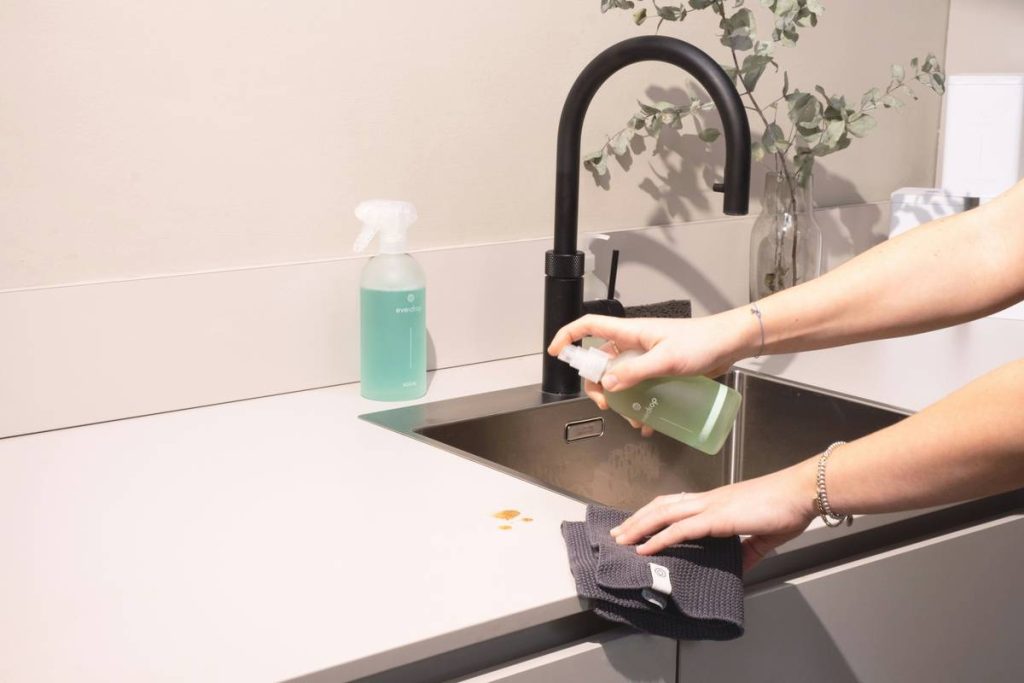
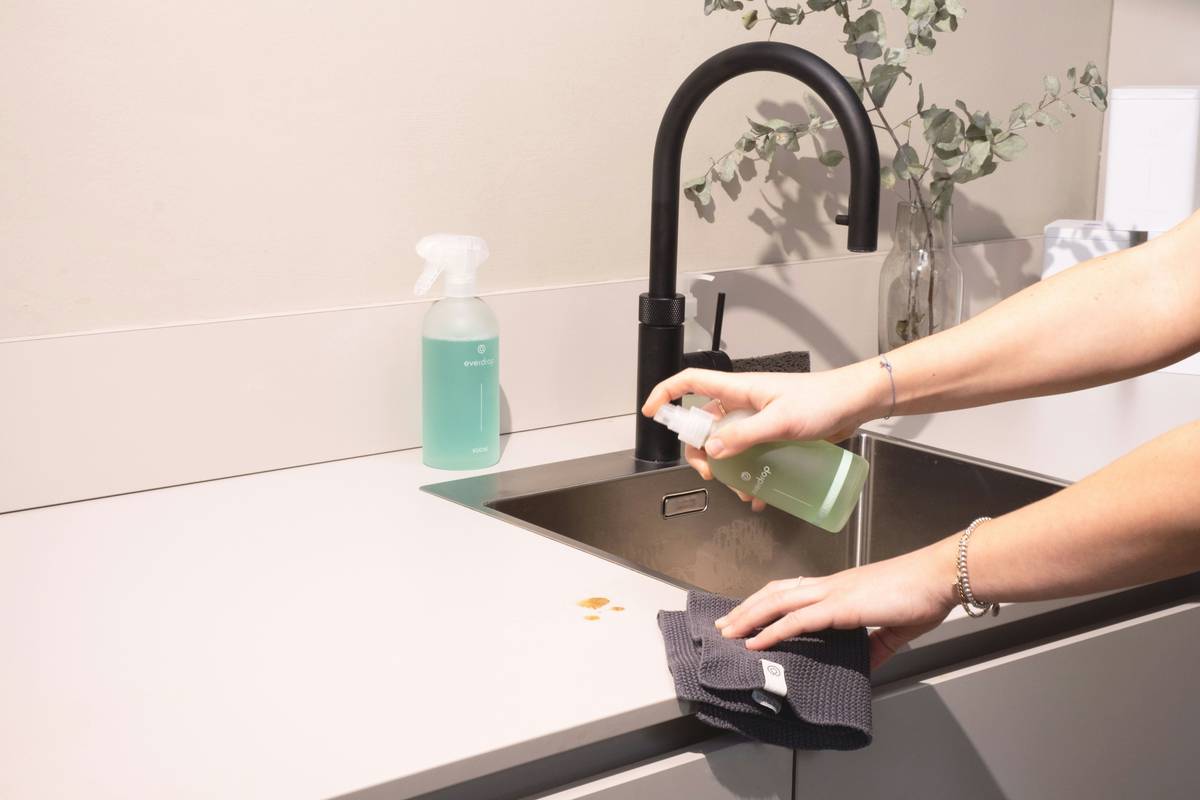
Mix 1 cup distilled white vinegar, 1 cup water, and 15 drops of citrus essential oil (like orange or lemon). Pour into a reusable glass spray bottle. Vinegar cuts grease; citrus oils break down biofilm—and smell heavenly.
Scouring Paste for Tough Buildup
Combine ½ cup baking soda, ¼ cup castile soap, and 2 tablespoons water. Stir into a thick paste. Apply with a bamboo scrub brush on sinks, tubs, or stovetops. Baking soda provides gentle abrasion; castile soap lifts oily residues without stripping finishes.
Glass & Mirror Polish
Blend 2 cups distilled water, ¼ cup rubbing alcohol (70%), and 1 tablespoon cornstarch. Spray lightly, then wipe with a microfiber cloth. Alcohol evaporates fast—no streaks. Cornstarch grabs dust and fingerprint oils most DIY formulas miss.

| Cleaner Type | Cost per 16 oz | Effectiveness (1–5) | Plastic Waste |
|---|---|---|---|
| Store-Bought “Eco” Brand | $4.99 | 3 | High (single-use bottle) |
| Homemade Vinegar Blend | $0.60 | 4 | None (reused container) |
| Castile-Based Scouring Paste | $1.10 | 5 | None |
The Industry Secret: pH Balance Is Everything
Most DIY guides never mention this—your cleaner’s pH determines whether it actually removes grime or just moves it around. Grease and oil are alkaline; they need acidic cleaners (like vinegar, pH ~2.5) to break them down. Mineral deposits? Also acidic—they dissolve best in alkaline solutions like baking soda paste (pH ~8.3).
But here’s the kicker: mixing acid and base (e.g., vinegar + baking soda) creates a neutral saltwater reaction—useless for cleaning. Yet 80% of viral TikTok hacks do exactly that. Save your ingredients. Use them separately, strategically.
FAQ
Does vinegar really kill germs?
Vinegar eliminates about 80% of bacteria—including E. coli and Salmonella—on surfaces. For high-risk zones (cutting boards, bathrooms), add 70% isopropyl alcohol for full disinfection.
Can I use these on granite or marble?
Avoid vinegar or citric acid on natural stone—it etches the surface. Use a neutral castile soap solution (1 tbsp soap + 2 cups water) instead.
How long do homemade cleaners last?
Vinegar-based sprays: 2 months. Paste formulas: 3 weeks (store in fridge). Always label with dates.