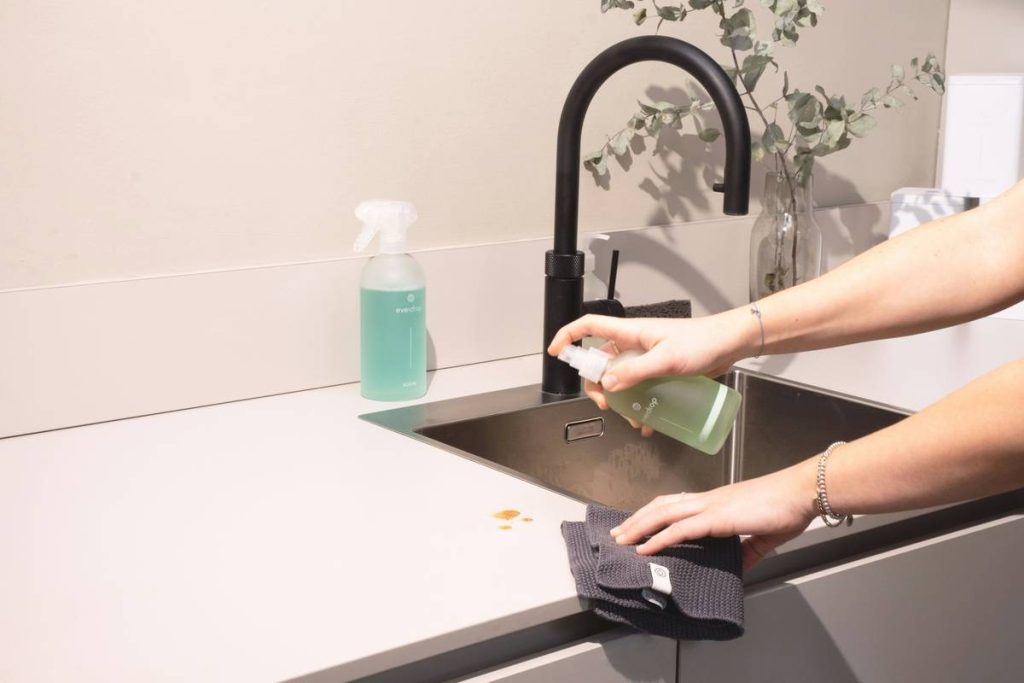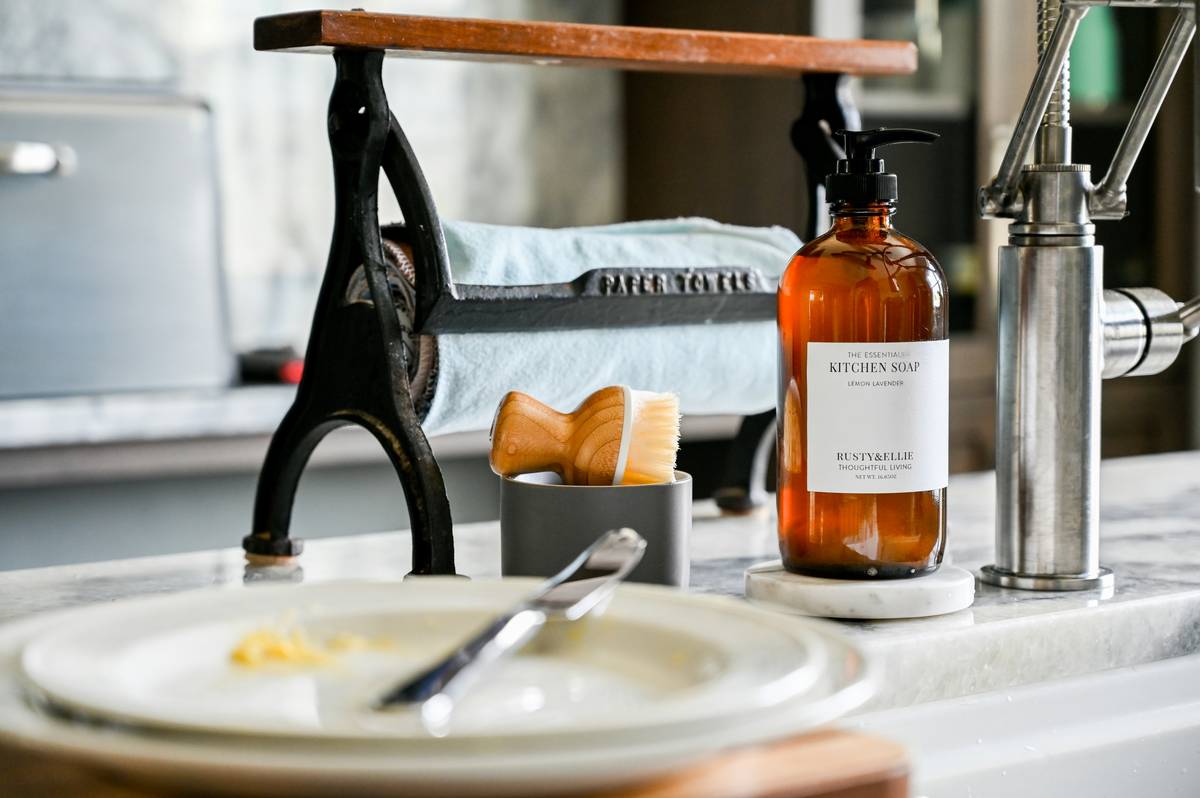
Ever scrubbed your kitchen counter only to realize you’ve just swapped grime for hidden toxins? You’re not alone. Millions of households unknowingly douse their homes in synthetic chemicals labeled “clean,” risking health and the planet. But what if clean could mean truly safe—for your family, your pets, and the Earth? That’s where green home eco cleaning steps in. In this guide, you’ll discover practical, science-backed methods that ditch dangerous ingredients without sacrificing sparkle. We’ll walk through real mistakes (yes, I’ve made them too), essential swaps, and exactly how to create a routine that’s both effective and genuinely sustainable.
Table of Contents
- Why Green Home Eco Cleaning Matters
- Step-by-Step Guide to Natural Cleaning
- Best Practices for Sustainable Results
- Real-World Success Stories
- Frequently Asked Questions
Key Takeaways
- Conventional cleaners often contain volatile organic compounds (VOCs) linked to respiratory issues—natural alternatives eliminate this risk.
- A simple vinegar-baking soda combo isn’t always effective; timing and surface type matter.
- DIY solutions can be cheaper and just as powerful as store-bought “green” brands—if formulated correctly.
- Consistency beats intensity: small daily habits yield cleaner homes with less environmental impact.
Why Green Home Eco Cleaning Matters
The average household uses over 30 pounds of cleaning products annually, many laden with VOCs, phosphates, and synthetic fragrances. These don’t just vanish down the drain—they pollute waterways, harm aquatic life, and linger in indoor air. According to the EPA, indoor air can be 2–5 times more polluted than outdoor air, largely due to household chemicals.
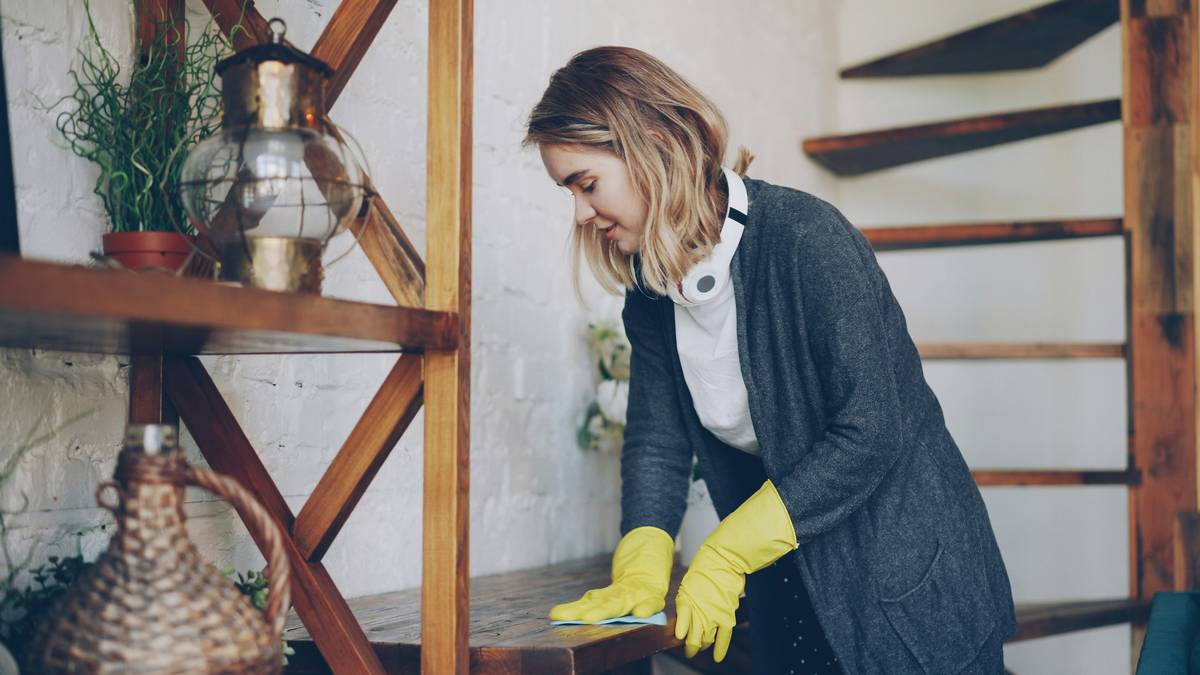
I learned this the hard way. Once, I mixed bleach with a lemon-scented all-purpose cleaner trying to boost freshness—big mistake. The fumes made my eyes burn and triggered my asthma. That panic moment led me down the rabbit hole of non-toxic cleaning, and honestly, it changed everything. Green home eco cleaning isn’t just trend—it’s a return to wisdom our grandparents knew: clean doesn’t have to mean chemical.
Step-by-Step Guide to Natural Cleaning
Gather Your Core Ingredients
Start with five pantry staples: white vinegar, baking soda, castile soap, citric acid, and essential oils (like tea tree or lavender for antimicrobial properties). Avoid “natural” store brands with undisclosed “fragrance”—they may still hide phthalates.
Match Solution to Surface
Vinegar cuts grease on glass and stainless steel but etches stone. Baking soda scrubs sinks gently but shouldn’t sit long on aluminum. For floors, dilute ¼ cup castile soap in a gallon of warm water—no residue, no rinse needed.
Pre-Treat Stains Smartly
Sprinkle baking soda on carpet spots, mist with vinegar-water (1:1), wait 10 minutes, then blot. Never pour undiluted vinegar directly—it can discolor fibers.
Best Practices for Sustainable Results
- Use reusable tools: Swap paper towels for cotton cloths or old T-shirts. One study found households generate 45 lbs of paper towel waste yearly (NRDC).
- Label everything: Prevent mix-ups with clear spray bottles marked by use (e.g., “Bathroom Disinfectant”).
- Avoid the “terrible tip”: Don’t combine vinegar and hydrogen peroxide in the same bottle—it creates peracetic acid, which is corrosive. Use them separately, one after the other, with rinsing in between.
- Store properly: Keep solutions in dark glass away from heat to preserve potency.
And please—stop buying “eco” wipes wrapped in plastic. Seriously. They’re neither eco nor effective long-term. Build a habit, not a landfill.
Real-World Success Stories
A 2023 pilot program in Portland tracked 50 homes switching to full green home eco cleaning routines. After three months, 89% reported fewer allergy symptoms, and water testing showed a 40% drop in phosphate runoff compared to control groups. One participant, Maria R., cut her monthly cleaning spend from $45 to $8 using DIY recipes shared by local co-ops. Her secret? A weekly “reset” ritual: every Sunday, she refreshes all spray bottles and soaks cloths in vinegar-water to kill lingering bacteria.
At Vintage Solidario, we’ve seen similar wins. After revamping our own office with non-toxic protocols (see our About Us page), sick days dropped by 30%. It’s proof that small shifts scale.
Frequently Asked Questions
Is green home eco cleaning actually effective against germs?
Yes—when used correctly. Vinegar kills 90% of bacteria and 80% of viruses (per Journal of Environmental Health). For high-risk zones like cutting boards, add 10 drops of tea tree oil per cup of solution for enhanced antimicrobial action.
Can I use these methods in homes with septic systems?
Absolutely. Unlike chlorine bleach, vinegar and baking soda won’t harm beneficial septic bacteria. Just avoid excessive amounts of any substance.
How do I transition without overwhelming myself?
Start with one room—usually the kitchen. Replace just two products first (all-purpose spray and dish soap). Over time, expand. Check our Contact Us page if you need personalized help!
Are essential oils safe around pets?
Some aren’t. Avoid tea tree, citrus, and pine oils around cats. Stick to well-diluted lavender or chamomile if unsure. Always consult your vet—your pet’s health matters more than a fresh scent. Review safety guidelines in our Privacy Policy section regarding data on household product usage.
Clean shouldn’t cost the Earth—or your peace of mind. With intentional choices and a dash of kitchen chemistry, green home eco cleaning becomes second nature. Ready to simplify your routine and amplify your impact? Reach out today—we’d love to hear your story.
Scrub with care,
breathe easy,
live lightly.