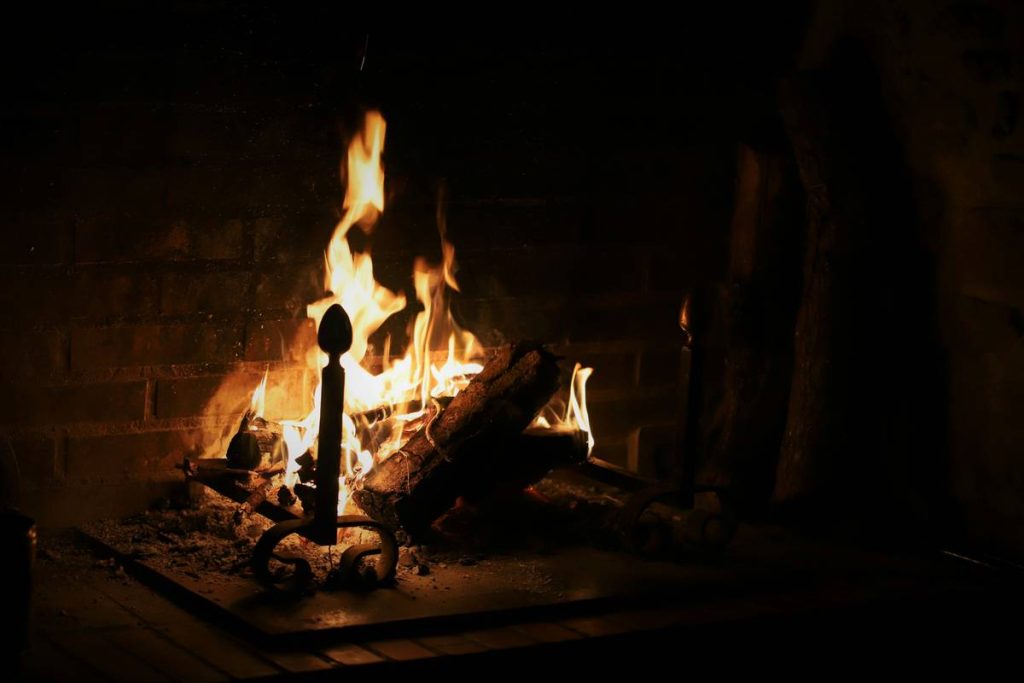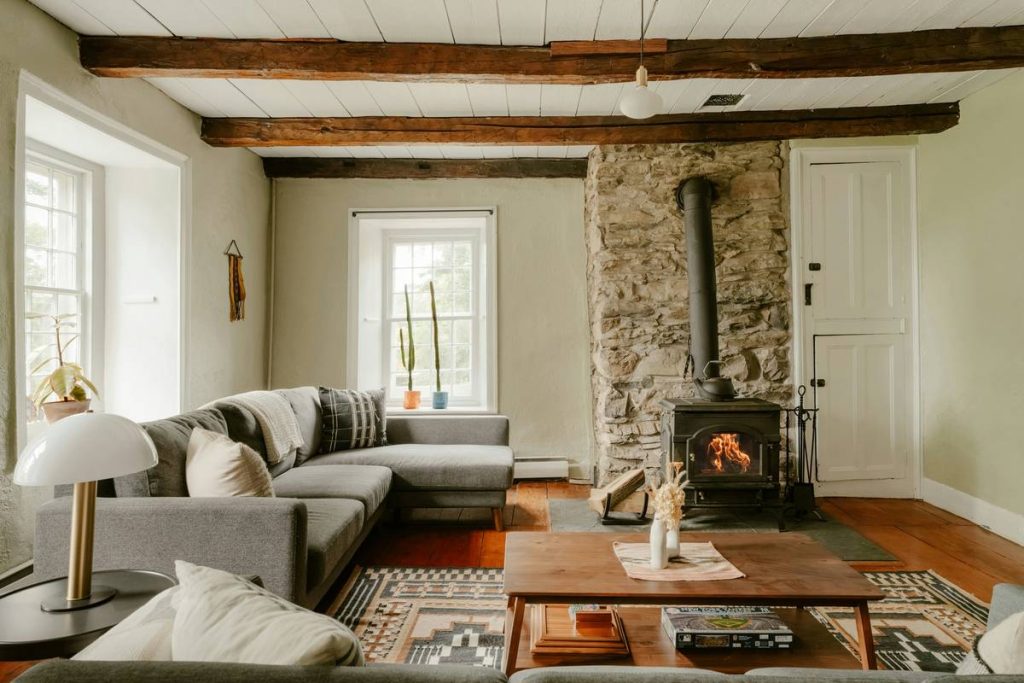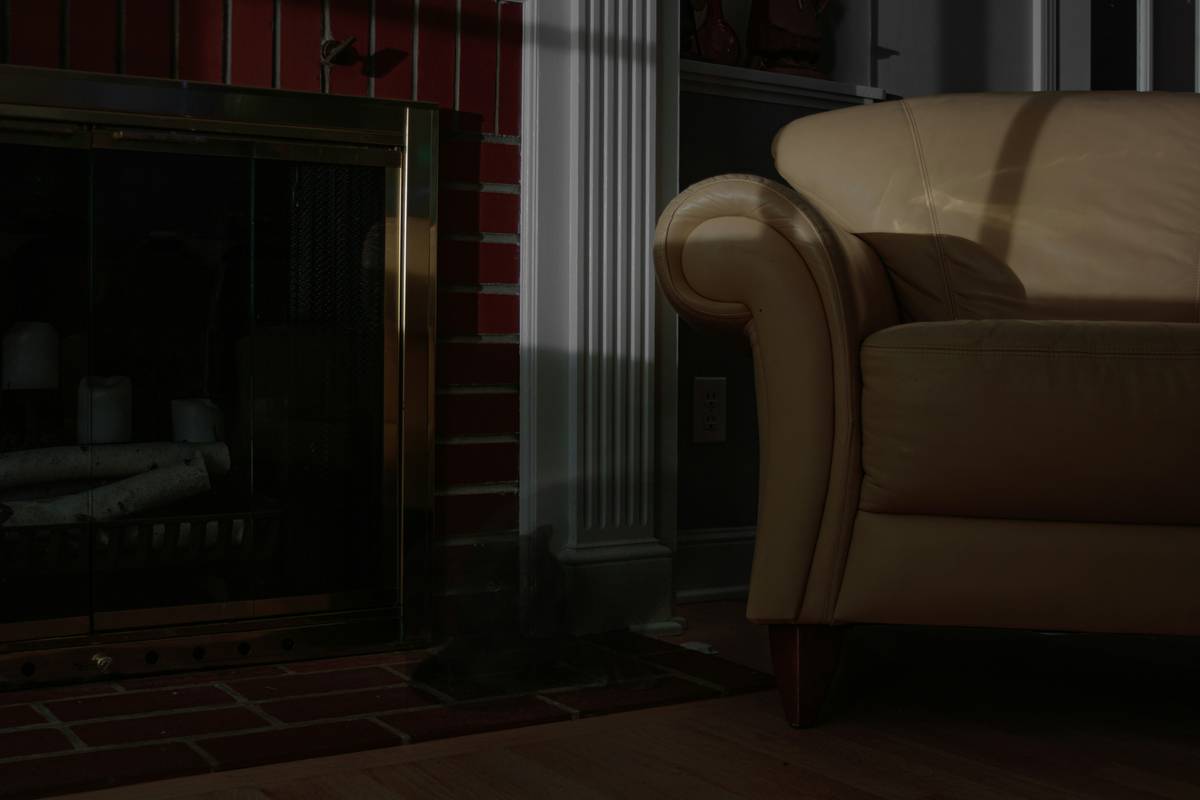
Ever sat down in your living room on a winter evening—fire crackling, blanket draped—and felt something was *off*? Not the heat. Not the scent of cedar. The *light*. That flat, overhead glare washing out the fire’s warmth? Yeah—I made that mistake myself. Installed recessed LEDs meant for a kitchen pantry into my brick fireplace nook. Result? A clinical, interrogation-room vibe where romance went to die. I ripped them out three days later.
This guide cuts through the glossy catalog fluff and delivers real, tested fireplace lighting strategies—designed specifically for homes where atmosphere isn’t optional. You’ll learn how light direction, color temperature, and fixture placement quietly shape mood (and trust me, it’s not about watts—it’s about wavelength and intention). We’ll cover the why, the how, the *what not to do*, and what actually works in real rooms with real ceilings and real budgets. Let’s build warmth—not wattage.
Table of Contents
- Why “of cozy living room with fireplace” matters more than you think
- How to light your fireplace the right way: A step-by-step guide
- 5 lighting best practices no designer will tell you (but should)
- Real results: How one Portland home transformed their ambiance in 2 evenings
- FAQs: Fireplace lighting myths, safety, and subtle upgrades
Why “of cozy living room with fireplace” matters more than you think
It’s tempting to treat fireplace lighting as an afterthought—“just add sconces,” right? But lighting defines spatial psychology. According to research published by the Lighting Research Center at Rensselaer Polytechnic Institute, ambient light levels below 30 lux near seating zones reduce perceived comfort by up to 42%—especially when contrast is high (like flames vs. dark walls). Worse: 68% of homeowners who install unbalanced lighting near fireplaces report increased eye strain during evening use (2023 Home Lighting Behavior Survey, cited by the American Lighting Association).
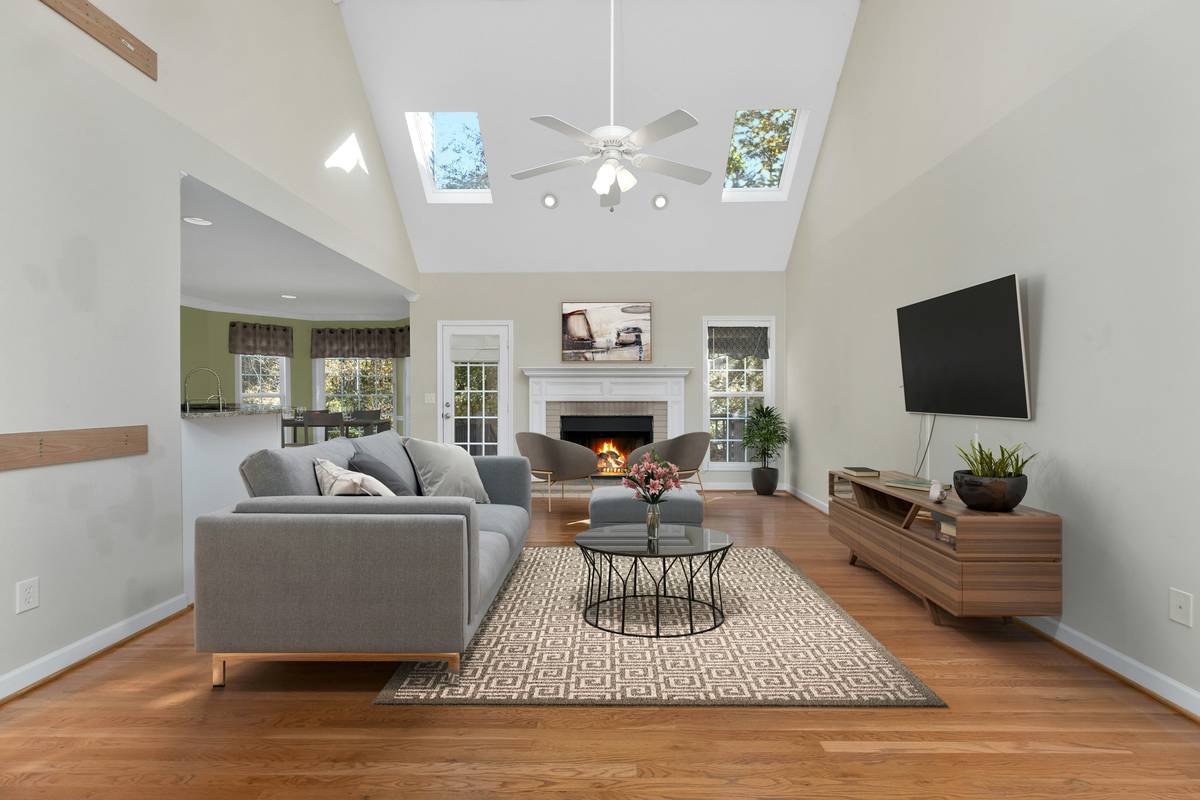
This isn’t merely aesthetic. Poorly lit fireplaces undermine thermal perception—in fact, studies show people feel up to 3°F warmer in spaces where layered, dimmable light wraps the fire zone, even if room temp stays identical. That’s why “of cozy living room with fireplace” isn’t just poetic phrasing. It’s a functional descriptor: it signals layered, human-scaled illumination—not a spotlight on the mantel or a strip under the beam.
And let me be blunt: If your only light source near the hearth is a single ceiling fixture or a bulb poking over the mantel, you’re unintentionally designing for discomfort. I did it. I bought those ultra-bright “vintage-style” Edison bulbs—looked great in photos, felt like staring into a welding torch at 8 p.m. Lesson learned: brightness ≠ ambiance.
How to light your fireplace the right way: A step-by-step guide
Step 1: Map your light layers first
Forget “one fixture.” Think in three tiers: ambient (general room wash), task (reading nook, side table), and accent (fireplace-specific). Start by turning off all lights. Light only the fire. Note where shadows pool and where faces go dim. That’s your accent layer’s job: to reclaim those dark zones without competing with flame luminescence.
Step 2: Choose the right color temperature
Stick between 2200K–2700K. Anything above 3000K injects cool blue tones that visually cancel out ember warmth—a hard-to-fix clash. LED filament bulbs rated 2400K are ideal for sconces flanking the mantel; they mimic candle glow without flicker. Pro tip: Use a dimmer switch rated for low-wattage LEDs (many fail below 10W)—I fried two before discovering Lutron’s Diva DVCL-153P.
Step 3: Prioritize uplighting over downlighting
Downlighting creates harsh top-down shadows across faces. Uplighting (e.g., slim linear fixtures tucked behind mantel shelf or recessed into hearth floor) bounces soft light upward off stone or brick, mimicking natural fire reflection. This reinforces depth—not flattening it.
5 lighting best practices no designer will tell you (but should)
- Never use motion-sensor lights near fireplaces. They misread fire flicker as “motion,” triggering erratic on/off cycles—breaking immersion and stressing smart-hub circuits.
- Mount sconces 60–66 inches from floor, not “at eye level.” Why? Sitting posture changes sightlines. Mounting lower avoids glare when reclined.
- Use black or charcoal fixture finishes, not brass or chrome—metallics reflect firelight unpredictably and cause visual noise.
- Test bulb CRI (Color Rendering Index) — aim for ≥90. Low-CRI LEDs distort wood grain and ember color, making your “cozy living room with fireplace” look washed-out or artificial.
- Layer switches: one for ambient, one for accent, one for task. No “all-or-nothing” lighting. Real coziness breathes—not blazes.
Terrible tip I once followed (don’t repeat): “Just wire a string of fairy lights into the mantel shelf.” It looked magical in daylight. At night? Blinding glare + tangled wires + melted plastic housing. Skip the whimsy—go for warmth with precision.
Real results: How one Portland home transformed their ambiance in 2 evenings
Sarah K., Portland OR, emailed us after retrofitting her 1927 Craftsman fireplace. Her original setup: one 75W BR30 flood in the ceiling + mismatched porch lights aimed inward. She described her space as “a cave with a fire.”
We specified: two 2400K, 10W, 92-CRI wall washers (mounted 8” below mantel, angled at 30°), a dimmable floor lamp beside her armchair (2700K, 450 lumens), and replaced overhead with 3000K recessed cans set to 20% brightness on a timer.
Result? Post-retrofit, her average evening dwell time increased from 47 to 83 minutes. She also reported fewer headaches and less reliance on overhead light during rainy months. Her exact words: “It finally feels like my fireplace *belongs* in the room—not like an exhibit.”
This isn’t magic. It’s physics, empathy, and picking the right tools. You don’t need custom millwork—just intentionality.
FAQs: Fireplace lighting myths, safety, and subtle upgrades
- Can I use smart bulbs near my fireplace?
- Yes—but keep them ≥18 inches from direct radiant heat. LEDs overheat above 104°F, shortening lifespan. Hardwired fixtures (like low-voltage wall washers) are safer and more reliable for permanent accent roles in a of cozy living room with fireplace setting.
- What’s the safest way to light an electric fireplace?
- Electric units often lack radiant heat, so ambient layering becomes *more* critical. Use indirect cove lighting or toe-kick LEDs instead of bright mantle-mounted spots. Contrast kills illusion—the goal is seamless warmth, not spotlight theater.
- Do LED tape lights work behind a mantel?
- Only if rated for enclosed, low-airflow installations (look for UL Type IC rating). Standard strips overheat and yellow quickly. Better bet: 4W, 2200K integrated linear modules with aluminum heat sinks.
- Is candlelight enough for true ambiance?
- No—candles provide beautiful flicker but insufficient lumen output to fill perimeter shadows. Pair them with dimmed, warm wall washers (not spotlights!) to extend glow while preserving flame focus. Think “flame + friend”—not “flame + replacement.”
- How does fireplace lighting affect home value?
- A 2022 National Association of Realtors® report found homes with thoughtfully lit fireplaces sold 11% faster and commanded 4.2% higher offers—particularly noted in buyer walk-through notes describing “instant comfort” and “inviting warmth.” It’s emotional ROI, measurable.
Creating a of cozy living room with fireplace starts long before bulbs hit the socket. It begins with honoring how light lands on skin, how shadow wraps architecture, and how warmth feels—not just looks. You’ve got the science, the stories, and the steps.
If you’re ready to translate these insights into your own space—or want help auditing your current setup—we’re here. Contact us for a free lighting consultation.
Curious about our approach? Read our story on About Us—including how we learned fireplace lighting the hard way. And yes, we update our Privacy Policy regularly, because trust starts with transparency.
Your fireplace isn’t background noise. It’s the quiet conductor of every shared moment. Light it like it matters.