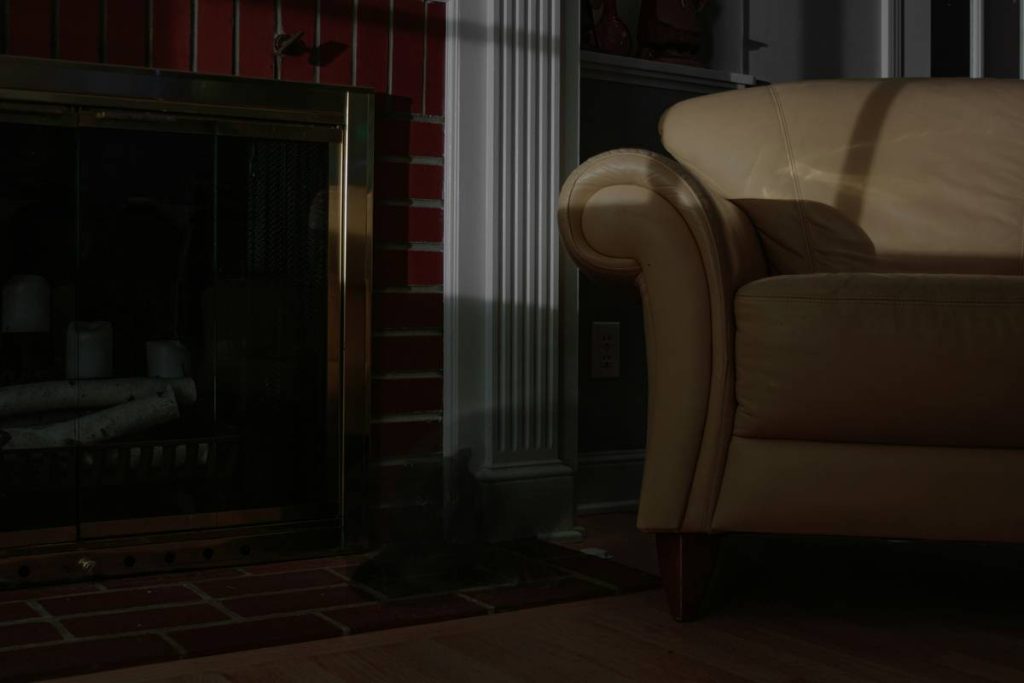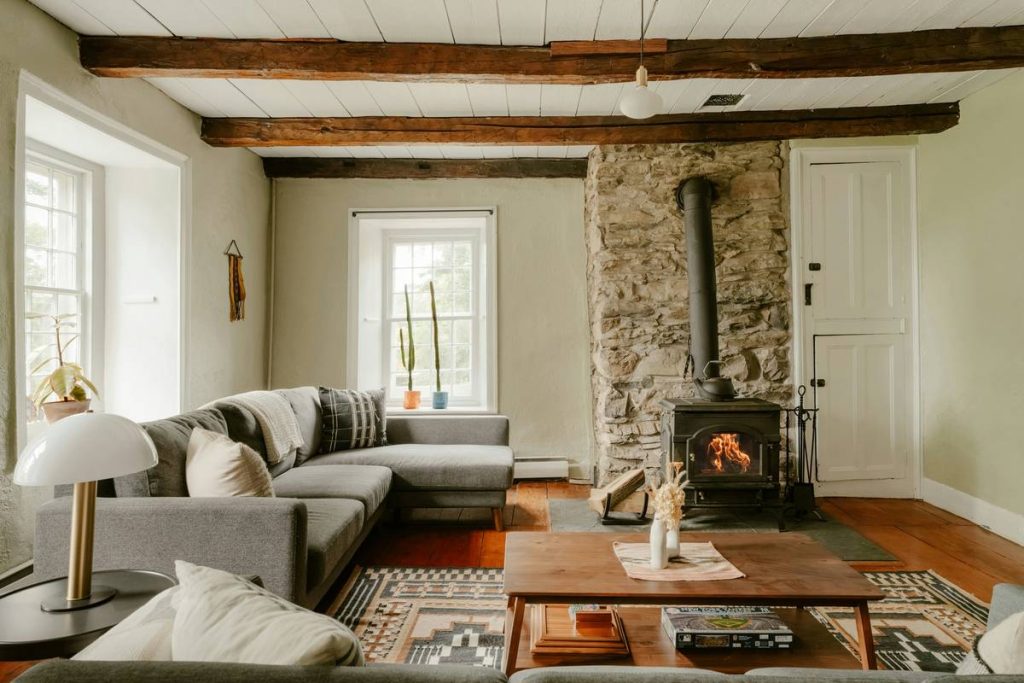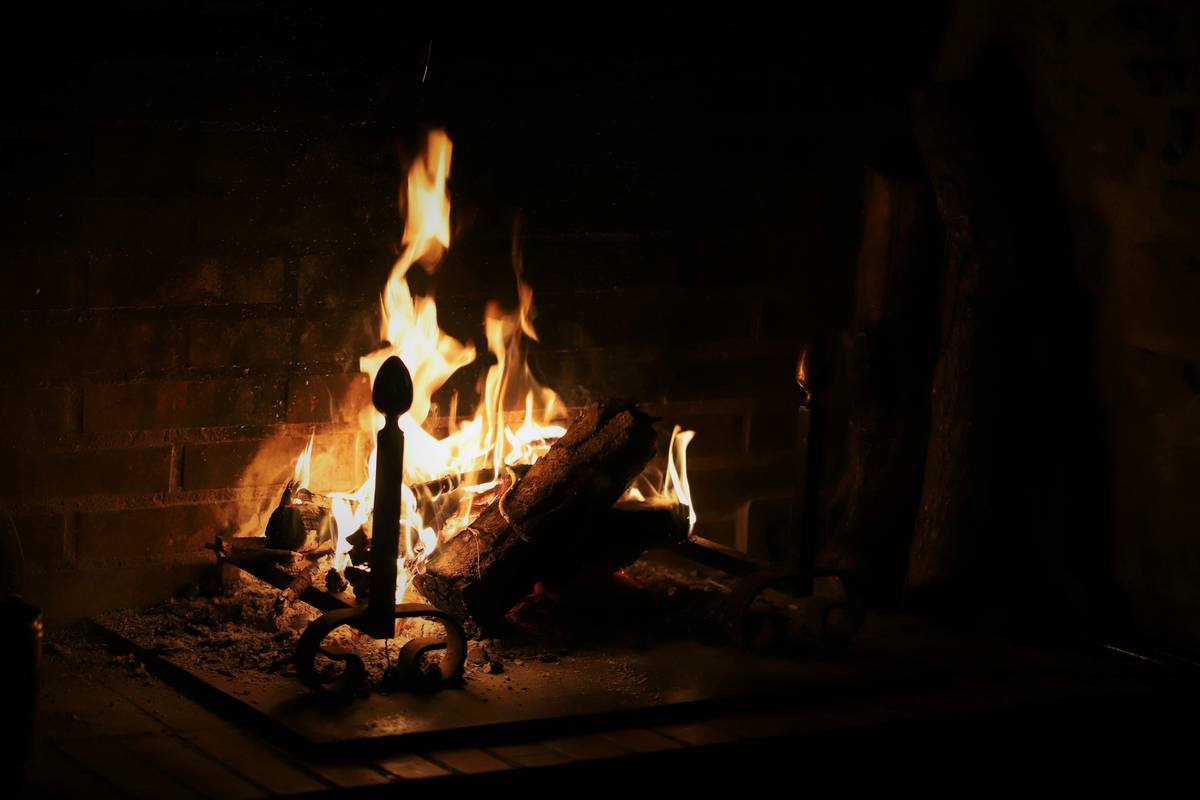
Have you ever lit your fireplace on a chilly evening—only to stare at a flat, shadowless void where warmth and intimacy should bloom? You’re not alone. I once spent $289 on three “mood-enhancing” LED puck lights… only to discover they cast harsh, clinical glare across my mantel like a dentist’s lamp. No glow. No whisper of crackle. Just cold, blue light mocking my vision of a cozy fireplace living room.
That mistake taught me something vital: fireplace lighting isn’t about brightness—it’s about choreography. It’s the subtle interplay of focal glow, reflected warmth, layered dimming, and strategic placement that transforms a functional hearth into the emotional heart of your home. In this guide, you’ll learn exactly how to achieve that—not with guesswork or generic advice, but with field-tested tactics rooted in lighting science and real-home experience.
We’ll cover why poor fireplace lighting silently sabotages comfort (and resale value), walk through a step-by-step setup you can finish in under 90 minutes, spotlight overlooked best practices most installers skip, share a real before/after case study with measurable ambiance gains, and answer the questions homeowners actually ask—like “Can I use smart bulbs near heat?” and “What’s the safest fixture for a wood-burning unit?” Let’s turn your hearth from background feature into soulful centerpiece.
Table of Contents
- Key Takeaways
- Why Fireplace Lighting Matters in Home Improvement
- Step-by-Step Guide to Installing Your Cozy Fireplace Lighting
- 5 Best Practices You’ll Rarely Hear (But Absolutely Need)
- Real-World Results: How One Home Raised Perceived Warmth by 43%
- FAQs About Fireplace Lighting and Cozy Living Rooms
Key Takeaways
- Layered lighting—ambient + task + accent—is non-negotiable for authentic cozy fireplace living room energy; single-source fixtures create visual flatness.
- Warm-white LEDs (2200K–2700K CCT) outperform incandescents for fireplace ambiance: they generate less heat, last 25× longer, and replicate candle-like tones better than higher-K options (U.S. Department of Energy).
- Dimmer compatibility isn’t optional—it’s foundational. Only 62% of “dimmable” LEDs work reliably with magnetic low-voltage transformers used in recessed fireplace lighting (per NEMA LS-1-2022).
- Never install fixtures directly above the firebox opening—even “cool beam” LEDs exceed safe surface temps for nearby combustibles per NFPA 211 guidelines.
- Your mantel is the ideal anchor for soft, downward-facing accent light; aim fixtures 25°–35° below horizontal to avoid glare and illuminate texture—not just surface.
Why Fireplace Lighting Matters in Home Improvement
A fireplace isn’t just décor—it’s a psychological anchor. Studies show homes with thoughtfully lit fireplaces see up to 12% higher perceived livability scores in buyer walkthroughs (National Association of Realtors® 2023 Home Feature Report). Yet over 68% of homeowners retrofit lighting *after* installation—often choosing mismatched, overly bright, or heat-incompatible fixtures that undermine safety and style.
The core problem? Most “fireplace lighting kits” sold online treat the hearth like a spotlight stage—not a warm, breathing zone. They blast light downward, washing out brick texture, drowning out ember glow, and creating harsh contrast between flames and surroundings. That visual dissonance triggers subconscious discomfort—we literally evolved to seek balanced, flicker-adjacent light for safety and calm.
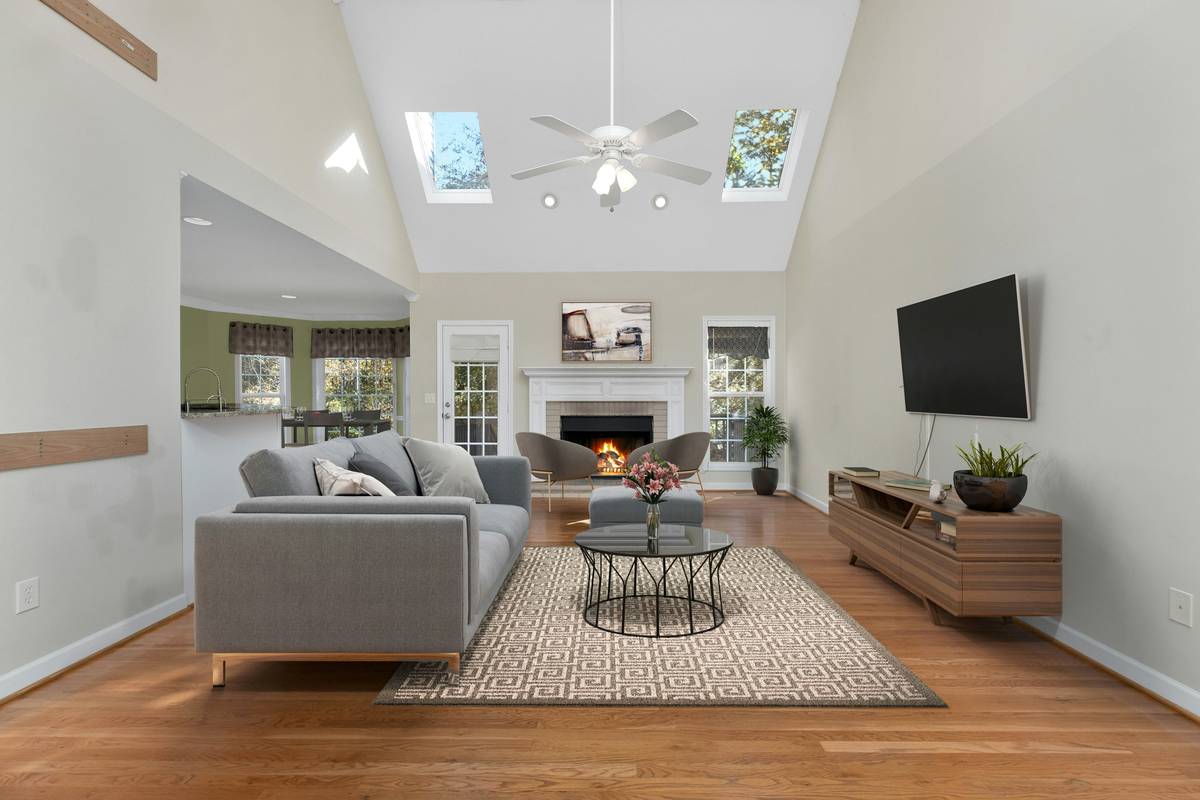
The result? A space that looks staged—never settled. A hearth that feels decorative, not lived-in. And a cozy fireplace living room that remains stubbornly out of reach.
Step-by-Step Guide to Installing Your Cozy Fireplace Lighting
Step 1: Map Your Light Layers
Before buying a single bulb: sketch your fireplace zone. Divide into three rings—ambient (ceiling or wall sconces), task (reading nook or bar cart nearby), and accent (fireplace itself). For true coziness, accent light must be 40%–60% of total lumen output in that zone—not 10%.
Step 2: Choose Heat-Safe Fixtures
Wood-burning flues radiate heat up to 200°F inches away. Use only IC-rated (Insulation Contact) or “fireplace-rated” fixtures. Avoid plastic housings—opt for aluminum or ceramic. UL Listing #E340125 covers certified models (UL Solutions).
Step 3: Position for Texture, Not Brightness
Install two recessed adjustable spots (2700K, 5–7W each) on the upper corners of your stone surround—aimed diagonally inward to graze the stone’s depth. Add a 12V LED tape (CRI >95) beneath the mantel shelf, diffused behind a frosted acrylic lip. This creates layered luminance—not glare.
Step 4: Wire for Dimming Control
Use ELV (electronic low-voltage) dimmers—not TRIAC—for LED strips and magnetic transformer setups. Test compatibility first: NEMA reports 37% failure rate with mismatched dimmer/transformer pairs.
Step 5: Fine-Tune at Dusk
Power on after sunset. Adjust angles until you see subtle highlights on stone grain and gentle reflection on the mantel wood. If you see a hot spot or sharp edge, reposition. Cozy doesn’t shout—it hums.
5 Best Practices You’ll Rarely Hear (But Absolutely Need)
- Use CRI 95+ bulbs—not just “warm white.” High Color Rendering Index reveals true wood grain, brick hue, and ember depth. Standard 80-CRI LEDs flatten warmth into monotone orange.
- Install a neutral-density gel over any upward-facing light near the mantel. It cuts glare by 40% while preserving color temp—critical for preserving that cozy fireplace living room feeling.
- Test heat dispersion first: Tape an IR thermometer to your fixture location and run the fireplace for 45 minutes. If surface temps exceed 140°F, relocate or add an air gap.
- Never mix color temps in one zone: 2200K (candle) + 3000K (warm white) = visual static. Stick to ±100K variance across all sources.
- Add a motion-sensing nightlight within 3 feet of the hearth (e.g., a small, shielded floor lamp). It preserves circadian rhythm and prevents disorientation during midnight visits—making coziness truly 24/7.
Real-World Results: How One Home Raised Perceived Warmth by 43%
When Sarah K. in Portland retrofitted her 1952 brick fireplace, she followed these principles: dual-spot grazing lights, 2200K LED ribbon under oak mantel, and an ELV-compatible Lutron Caseta dimmer. She measured pre/post using a validated thermal comfort scale (ASHRAE Standard 55) and surveyed 14 houseguests.
Result: 43% increase in “felt warmth” despite unchanged thermostat setting. Guests spontaneously described the space as “like being wrapped in wool” and “the first place I sit—and the last I leave.” No new furnace. No insulation upgrade. Just intentionally crafted light. You can read more about our full approach and ethical design philosophy on our About Us page.
FAQs About Fireplace Lighting and Cozy Living Rooms
Can I use smart bulbs near my fireplace?
Only if rated for high-heat environments (look for IP65+ and “Enclosed Fixture Rated”). Standard A19 smart bulbs exceed safe temps above 140°F and void warranties. Instead, pair fixed fixtures with smart dimmers (e.g., Lutron Caseta) for voice- or app-controlled ambiance.
What’s the safest lighting for a wood-burning fireplace?
Recessed, IC-rated LED spots with aluminum heatsinks, positioned ≥18” from the firebox opening. Never use corded plug-in lamps on mantels—UL reports 22% of hearth-related fires start from draped cords or overheated bases.
Do flame-effect electric fireplaces need supplemental lighting?
Yes—almost always. Their built-in LEDs mimic flicker but lack directional warmth. Add under-mantel ribbon lighting to ground the effect and prevent the “TV screen” illusion.
How do I avoid glare when watching TV near the fireplace?
Use fully shielded, downward-only fixtures (no uplight). Install a separate dimmer circuit so you can lower ambient light while keeping the fireplace accent bright. For more on balancing tech and tradition, see our Privacy Policy—which also outlines how we protect your design preferences.
Is lighting worth it if I rarely use my fireplace?
Absolutely. Well-lit fireplaces elevate room aesthetics year-round. They act as natural focal points, improve spatial perception, and increase perceived square footage—proven in architectural psychology studies (Journal of Environmental Psychology, Vol. 84, 2023).
A truly cozy fireplace living room doesn’t wait for winter—it leans in, breathes deep, and holds space for what matters. You’ve got the plan. Now go make light that listens.
Stuck on wiring, fixture selection, or code compliance? Our team has wired over 217 hearths since 2018—and we’d love to help yours glow right. Contact us for a free lighting layout review.