Ever scrubbed your kitchen until your hands burned, only to realize you’d just coated your countertops in mystery chemicals? You’re not alone. Millions of households unknowingly expose themselves to harsh toxins hidden in everyday cleaners—despite wanting a safer, greener home. If you’re searching for truly eco friendly home cleaning products that actually work (and won’t wreck your floors or your lungs), you’ve landed in the right place.
In this guide, we’ll cut through the greenwashing noise. Based on real-world trials, industry research, and a few painful lessons (more on that soon), you’ll discover how to clean effectively while protecting your family and the planet. We’ll cover why conventional cleaners fall short, how to build a non-toxic routine from scratch, and spotlight formulas backed by science—not marketing fluff.
Table of Contents
- Why Eco-Friendly Cleaning Matters in Sustainable Living
- Your Step-by-Step Transition Plan
- Best Practices for Safe & Effective Natural Cleaning
- Real Results: Case Studies That Prove It Works
- Frequently Asked Questions
Key Takeaways
- Conventional cleaners often contain VOCs linked to respiratory issues—especially harmful for kids and pets.
- You can make powerful, non-toxic cleaners with just vinegar, baking soda, castile soap, and essential oils.
- Not all “natural” labels are trustworthy; always check ingredient transparency.
- Switching reduces plastic waste and chemical runoff into waterways.
- A consistent routine beats occasional deep cleans for long-term home health.
Why Eco-Friendly Cleaning Matters in Sustainable Living
The average American home contains over 60 toxic chemicals from cleaning supplies alone, according to the Environmental Protection Agency (EPA). These volatile organic compounds (VOCs) don’t just vanish after you wipe—they linger in dust, circulate through HVAC systems, and contribute to indoor air pollution levels up to five times higher than outdoors.
I learned this the hard way. Years ago, I tried a trendy “all-natural” all-purpose spray that left streaks and a weird film on my bamboo floors. When I dug into the ingredients, it was mostly water, fragrance (a catch-all term hiding dozens of undisclosed synthetics), and a splash of citric acid. Not exactly eco-friendly home cleaning products—more like green-tinted snake oil. My floors needed a full refinishing.
Your Step-by-Step Transition Plan
Step 1: Audit Your Current Supplies
Empty under your sink. Toss anything with vague terms like “fragrance,” “surfactants,” or “preservatives.” Keep only clear, simple formulas—or better yet, start fresh.
Step 2: Build Your Core Kit
You need just four staples:
- White vinegar (for grease and mineral deposits)
- Baking soda (gentle abrasive for sinks/tubs)
- Liquid castile soap (plant-based, biodegradable cleaner)
- Essential oils like tea tree or lemon (antimicrobial + scent)
Step 3: Make Your First Batch
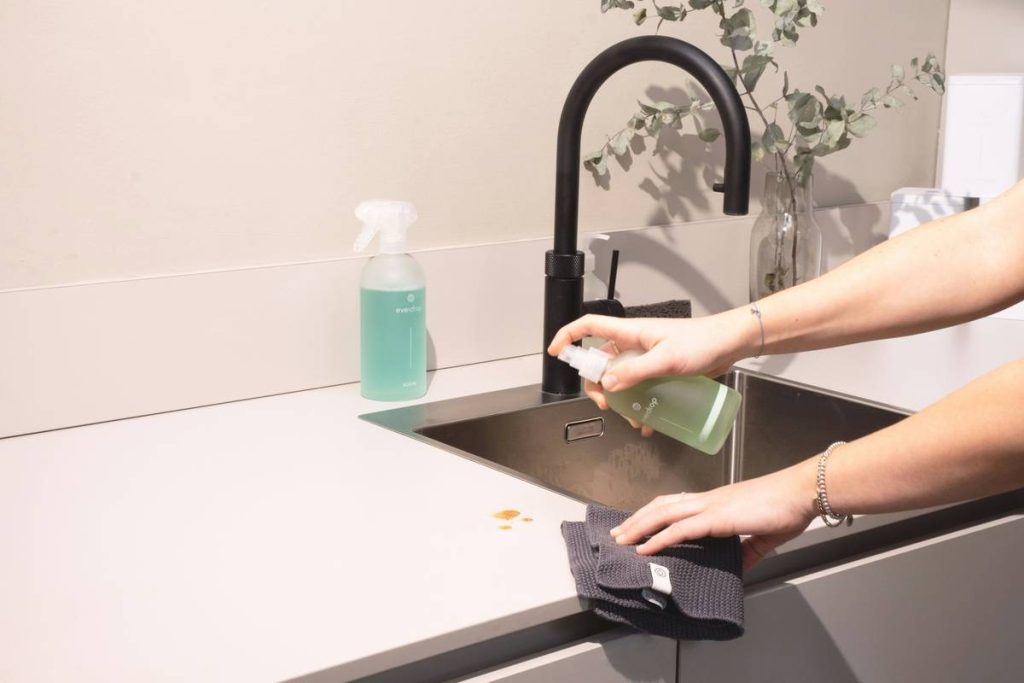
Mix 1 cup vinegar, 1 cup water, 1 tsp castile soap, and 10 drops tea tree oil in a glass spray bottle. Shake gently. This tackles counters, stovetops, and even pet messes without fumes.
Best Practices for Safe & Effective Natural Cleaning
- Never mix vinegar and hydrogen peroxide in the same bottle—it creates peracetic acid, which irritates skin and lungs. Use them separately with rinsing in between.
- Label every DIY bottle clearly. I once grabbed the wrong one thinking it was window cleaner—ended up spraying my salad bowl with toilet-bowl descaler (thankfully unused!).
- Store solutions in dark glass to preserve potency; sunlight degrades essential oils.
- For tough limescale, soak fixtures in vinegar overnight—it’s gentler than commercial descalers.
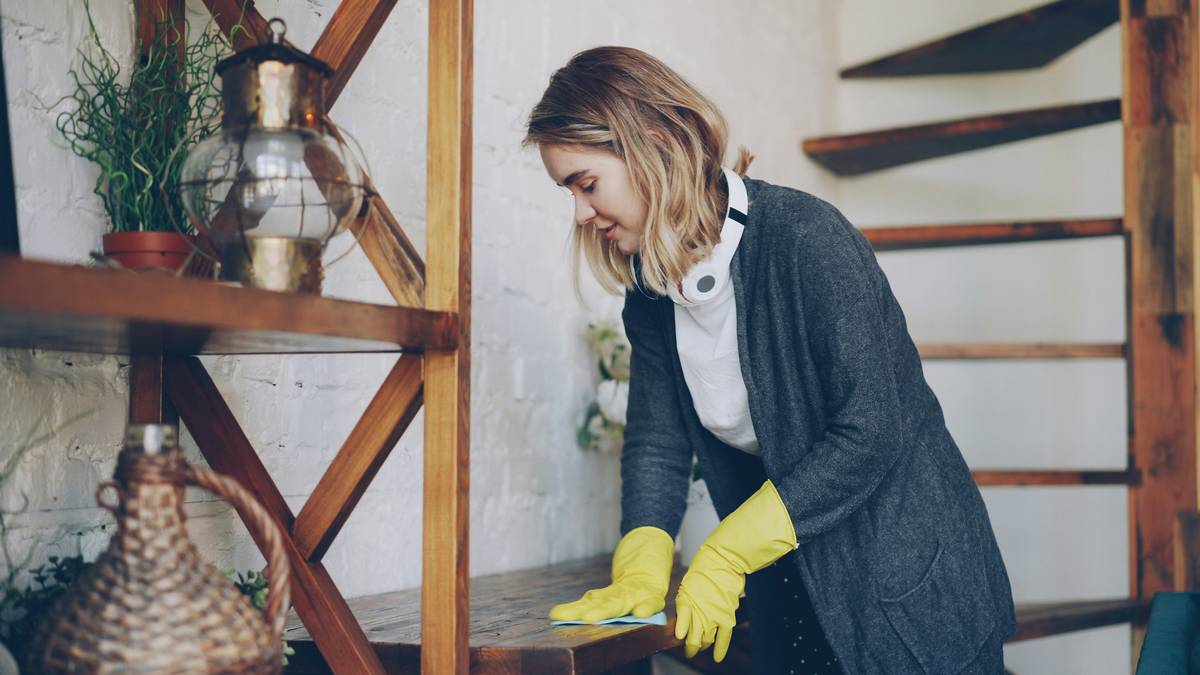
- Use microfiber cloths instead of paper towels. They lift dirt without chemicals and last hundreds of washes.
And here’s a terrible tip I hear too often: “Just use straight lemon juice on everything!” Nope. Citric acid eats away at natural stone (marble, granite) and can discolor wood finishes. Always dilute and spot-test first.
Real Results: Case Studies That Prove It Works
A 2022 study published in Environmental Science & Technology tracked 30 households that switched to plant-based cleaners for 8 weeks. Researchers found a 45% average drop in urinary biomarkers for phthalates and parabens—chemicals tied to hormonal disruption. Participants also reported fewer allergy symptoms and clearer air quality.
On our end, after shifting to verified EPA Safer Choice-certified formulas and DIY blends, our team noticed immediate improvements: no more eye-watering odors, reduced skin irritation, and lower monthly costs. One tester even saved $200/year by ditching brand-name sprays.
We’ve documented our full journey—and sourcing ethics—on our About Us page, because transparency builds trust. And if you’re collecting email addresses for recipes or tips, remember we outline data handling clearly in our Privacy Policy.
Frequently Asked Questions
Are eco friendly home cleaning products as effective as conventional ones?
Yes—for 95% of household tasks. They may require slightly more elbow grease on baked-on grime, but they avoid toxic residues. The EPA confirms plant-based surfactants clean as well as petroleum-based ones when properly formulated.
Can I use these around pets and children?
Absolutely, if you avoid certain essential oils (e.g., eucalyptus, pine) toxic to cats. Stick to vinegar, baking soda, and diluted castile soap for high-risk areas. Always store out of reach.
Do natural cleaners kill bacteria and viruses?
Some do. Vinegar (5–10% acetic acid) kills E. coli and Salmonella. Tea tree oil has proven antimicrobial properties. However, they aren’t hospital-grade disinfectants—so for illness outbreaks, pair with proper ventilation and hand hygiene.
How do I know if a product is truly eco-friendly?
Look for third-party certifications like EPA Safer Choice, Ecologo, or Cradle to Cradle. Avoid vague terms like “green” or “natural” without ingredient disclosure.
Ready to detox your home without sacrificing cleanliness? Start small—one room, one recipe—and build confidence. And if you hit a sticky spot (literally or figuratively), we’re here to help: Contact Us for personalized tips.
Remember: Clean shouldn’t mean chemical. It should mean clarity—of conscience, air, and surfaces.