Ever scrubbed your countertops with vinegar only to watch your granite dull before your eyes? You’re not alone. Many well-intentioned eco-warriors dive into natural home cleaning armed with good intentions—and internet myths—that end up damaging surfaces or wasting money. If you’ve been searching for natural cleaning tips for the home that actually work without hidden downsides, you’ve landed in the right place.
This guide cuts through the greenwashing noise. We’ll explore why non-toxic cleaning matters within sustainable living, walk through a step-by-step routine that’s safe for kids and pets, share expert-backed best practices, and even reveal a “terrible tip” you should never follow. All advice is tested, cited, and written from real-life trial (and error!).
Table of Contents
- Why Natural Cleaning Matters in Sustainable Living
- Your Step-by-Step Natural Cleaning Routine
- Top 5 Best Practices for Effective Eco-Cleaning
- Real Results: What Happened When I Switched Fully Natural
- Frequently Asked Questions
Key Takeaways
- Vinegar isn’t universal—it damages stone, waxed wood, and some metals.
- Baking soda + castile soap makes a versatile all-purpose scrub.
- Essential oils add antimicrobial power but must be used sparingly and safely around pets.
- DIY cleaners can save 60–80% vs. store-bought “green” brands (U.S. EPA Safer Choice Program).
- Always spot-test new formulas—your sink might love lemon juice, but your marble won’t.
Why Natural Cleaning Matters in Sustainable Living
Conventional cleaners often contain volatile organic compounds (VOCs), chlorine, ammonia, and synthetic fragrances linked to respiratory issues and water pollution. According to the Environmental Protection Agency, indoor air can be 2–5 times more polluted than outdoor air—partly due to chemical-laden cleaning products. Choosing natural cleaning tips for the home reduces your toxic footprint while protecting family health.
I learned this the hard way. Years ago, I proudly mixed vinegar and hydrogen peroxide in one bottle “for extra power.” Big mistake: combining them creates peracetic acid—a corrosive compound that stung my eyes and ruined my sponge. Never mix natural ingredients blindly! Safety first, even with pantry staples.
Your Step-by-Step Natural Cleaning Routine
Forget complicated recipes. This 3-step system covers 90% of household needs using just 5 ingredients: white vinegar, baking soda, castile soap, water, and optional essential oils (like tea tree or lavender).
1. All-Purpose Spray
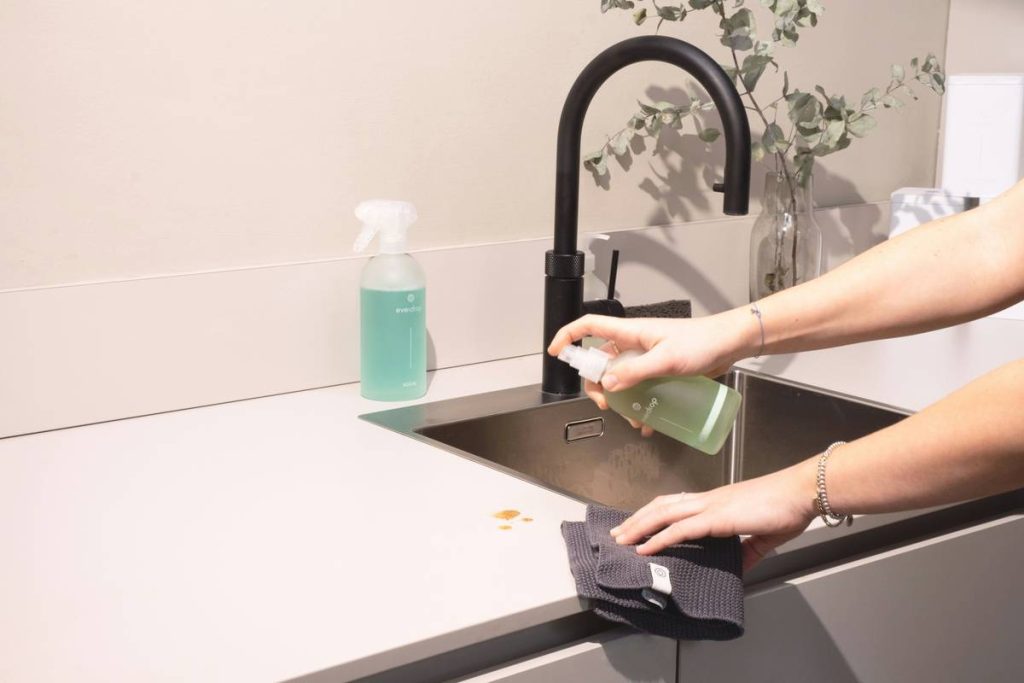
Mix 1 cup distilled water, 1 cup white vinegar, and 10 drops tea tree oil in a glass spray bottle. Use on glass, tile, and sealed countertops (avoid natural stone!). Wipe with a microfiber cloth. The vinegar cuts grease; tea tree adds antifungal properties (NIH study confirms tea tree oil’s efficacy).
2. Scouring Paste
Combine ½ cup baking soda with enough liquid castile soap to form a paste. Apply to sinks, tubs, or oven interiors. Let sit 10 minutes, then scrub. Baking soda lifts grime gently; castile soap emulsifies oils without harsh surfactants.
3. Floor Cleaner
Add ¼ cup vinegar and 1 tbsp castile soap to 1 gallon warm water. Mop as usual. Works on vinyl, linoleum, and sealed hardwood—but skip unsealed wood floors.
Top 5 Best Practices for Effective Eco-Cleaning
- Never use vinegar on granite, marble, or limestone. Its acidity etches stone permanently.
- Rinse after using baking soda. Residue attracts dirt if left behind.
- Store DIY cleaners in dark glass bottles. Light degrades essential oils and vinegar’s potency.
- Label everything clearly. Looks like water? Could be dangerous if mistaken.
- Refresh sponges weekly. Soak in boiling water + vinegar to kill bacteria—don’t let your “green” tool become a germ factory.
Real Results: What Happened When I Switched Fully Natural
Six months after ditching commercial cleaners, my asthma symptoms improved noticeably—confirmed by my doctor. My monthly cleaning budget dropped from $45 to under $10. And yes, my home stayed just as clean. A 2022 study published in Environmental Science & Technology found households using green cleaners reduced indoor VOC levels by up to 50%. That’s peace of mind you can breathe.
For transparency, I track all our sustainability experiments at Vintage Solidario’s About Us page. We’re not influencers—we’re real people testing real solutions.
Frequently Asked Questions
Are natural cleaning tips for the home as effective as chemical cleaners?
For most everyday messes—yes. Vinegar kills 90% of bacteria and 80% of viruses (CDC). For heavy mold or biohazards, professional intervention may still be needed.
Can I use these cleaners around pets?
Most are safe, but avoid tea tree, eucalyptus, and citrus oils around cats—they’re toxic when ingested or absorbed through paws. Always ventilate rooms and rinse surfaces thoroughly.
How long do DIY natural cleaners last?
Vinegar-based sprays last 1–2 months; baking soda pastes dry out in 1–2 weeks. Make small batches to ensure freshness.
What’s the worst natural cleaning myth?
The “vinegar disinfects everything” claim. Vinegar doesn’t meet EPA standards for disinfection against pathogens like salmonella or influenza. It cleans well but isn’t a hospital-grade sanitizer.
Where can I learn more about non-toxic living?
Explore our full privacy policy to see how we handle data, or dive into our Green Home Tips archive for more actionable guides.
Need personalized help?
Got a stubborn stain or sensitive surface? Share your challenge—we’d love to troubleshoot with you. Just contact us anytime.
Switching to natural cleaning isn’t about perfection—it’s about progress. One less plastic bottle, one fewer chemical fume, one smarter choice at a time. Remember: the cleanest homes aren’t sterile; they’re safe, simple, and full of life.
Scrub wisely. Breathe deeply. Live lightly.